New to LastDodo?See how it works
New here? LastDodo is rated
99.2% positive in 732,355 shop reviews. Find out how it works
BuySellCatalogueCollection Wish list Forum
EN
NederlandsEnglishFrançaisDeutsch
Shopping cart of:
You have more shopping carts
View 9 shopping carts from other shops
Shopping cart

The shopping cart is currently empty.

Sign inFrequently Asked Questions
Sign in
StampsComic booksCoinsBooksMusicFilmPostcardsTrading cardsCigar bandsModel carsTea bags
All areas (75)
All areas
  • A
  • Album pictures(145,992)
  • Alcohol / beverages(8,337)
  • Audiovisual equipment(1,226)
  • Autographs(5,565)
  • B
  • Badges(4,487)
  • Banknotes(30,505)
  • Beer labels(84,001)
  • Beer mats(150,756)
  • Board games(19,320)
  • Bookmarks(3,921)
  • Books(496,156)
  • C
  • Calculators(1,702)
  • Cans / tins(9,758)
  • Caps and Pogs(19,973)
  • Car brochures(10,728)
  • Ceramics(5,589)
  • Cigar labels(292,577)
  • Clocks and alarm clocks(629)
  • Coins(105,255)
  • Collection albums(5,415)
  • Comic books(660,130)
  • Comic ex-libris and prints(43,897)
  • Creamer cup lids(24,241)
  • Crown Caps(8,984)
  • D
  • Dolls and bears(3,602)
  • Drawings / paintings(31,183)
  • DVD / Video / Blu-ray(96,539)
  • E
  • Enamel signs(833)
  • Entrance tickets(3,270)
  • F
  • Figures and statuettes(92,489)
  • Fossils(331)
  • G
  • Gift cards(27,294)
  • J
  • Jewellery(3,114)
  • Jigsaw puzzles(8,121)
  • K
  • Keychains(9,465)
  • Kitchenware & tableware(20,037)
  • L
  • Lighters(6,812)
  • M
  • Magazines / newspapers(293,691)
  • Maps and globes(3,039)
  • Markclips(33,870)
  • Match Programmes(5,703)
  • Matchcovers(103,683)
  • Minicards(18,869)
  • Model cars and scale model(82,170)
  • Model trains / Railway modelling(12,483)
  • N
  • Naturalia(8,069)
  • P
  • Perfins(14,036)
  • Perfume bottles(9,029)
  • Phone cards(112,852)
  • Photo and video cameras(5,857)
  • Picture stamps(8,744)
  • Pins and buttons(103,121)
  • Postcards(428,936)
  • Posters(11,465)
  • Prints / graphics(5,675)
  • R
  • Records and CDs(261,722)
  • Revenue stamps(6,341)
  • Rolling papers(3,745)
  • S
  • Securities and bonds(1,552)
  • Stamps(969,633)
  • Stationery(4,140)
  • Stickers(35,595)
  • Sugar sachets(65,313)
  • T
  • Tea bags(155,625)
  • Telephones(270)
  • Templates and molds(3,819)
  • Thimbles(2,706)
  • Tokens / Medals(24,609)
  • Toy soldiers(20,269)
  • Toys(14,289)
  • Trading cards(253,032)
  • V
  • Vases & flowerpots(3,521)
  • Video games(22,255)
  • W
  • Watches(3,138)
  • Wine(2,688)
  1. Home
  2. Catalogue
  3. Vinyl records and CDs
  4. Artists/bands
  5. Jethro Tull
Vinyl records and CDsRelated areas (17)

Jethro Tull music catalogue

275 items

Jethro Tull was a British progressive rock band and Grammy Award winner from Blackpool, formed in 1968 around Scottish frontman Ian Anderson.  More

Jethro Tull

Jethro Tull

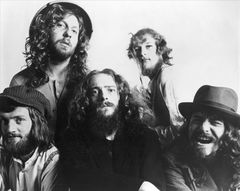
Jethro Tull was a British progressive rock band and Grammy Award winner from Blackpool, formed in 1968 around Scottish frontman Ian Anderson. Their music is recognizable by Anderson's remarkable singing style and unique flute work, by the unusual and often complex song constructions and the intelligent lyrics.

Their music, which started as blues with an experimental slant, has indisputable influences from classical music, hard rock and jazz, as well as Asian and Celtic folk music. This makes it very difficult to identify other musicians who make similar music. More than other rock bands, their music is separate from other rock music.

A striking feature of Jethro Tull is that foreman Anderson almost exclusively plays acoustic instruments. He mainly plays the flute and acoustic guitar. Anderson attributes the difference between their music and that of other prog rock bands to Jethro Tull's aversion to drugs. While other bands influenced them in the early years, they quickly developed a unique, always recognizable sound.

More or less consciously, Anderson chooses to stay in the slipstream of the pop world. A bit in the shadows but always present, according to him would keep the band going artistically. Overall, the band has often received overwhelmingly critical acclaim over the years. They are known as eccentrics, top musicians and people with a sense of humor. Ian Anderson makes it known through his lyrics that he is a language alchemist and verbally goes the extra mile during his concerts.

Ian Anderson's first band, 1963 in Blackpool, was called The Blades . This band had morphed into a seven-piece white soul band by 1966 called the John Evan Band , named after pianist cum drummer John Evans, who left out the 's' to make it sound less ordinary. At this point, Barriemore Barlow was the band's drummer. Both Evan and Barlow would later return in Jethro Tull . Anyway, after the band's move to London, most of the band members left the band, leaving behind Anderson and bassist Glenn Cornick, who joined forces with blues guitarist Mick Abrahams and his friend, drummer Clive Bunker, both of the band "McGregor's Engine". In the beginning they had problems getting booked repeatedly and therefore frequently changed band names (including Navy Blue , Ian Henderson's Bag 'o Blues , and the suicidal Candy Colored Rain with which you were not taken seriously even in the hippie era) London club circuit. Usually the names were suggested by their booking agent.

One of them, a history enthusiast, came up with the name Jethro Tull , the name of an 18th-century agricultural pioneer who invented the seed drill. They have kept this name for the simple fact that during the gig where they first used it, the club manager John Gee of "The Marquee Club" liked their show and invited them to come back. He, along with John Peel and Brian Matthew of BBC Radio, has helped Jethro Tull get on bigger stages in England. Thanks to them, they performed at Hyde Park and the "Sunburry Jazz and Blues Festival"l, where they were discovered by the general public.

After an unsuccessful single ( Sunshine Day , which had the band name misspelled Jethro Toe, making it a collector's item) they released the bluesy album This Was in 1968, featuring music written by both Anderson and Abrahams. The traditional arrangement, Cat's Squirrel , was the pinnacle of Abrahams' blues-rock style. The Rahsaan Roland Kirk-covered jazz piece Serenade To A Cuckoo gave Anderson a showcase for his growing talents as a flutist.

After this album Abrahams left the band. There were several reasons for his retirement: he was a blues purist, while Anderson wanted to take other musical paths. Abrahams and Cornick didn't get along and Abrahams didn't want to travel internationally or perform more than three nights a week, while the others wanted to be successful by playing as much as possible and building an international fan base. In his place, Anderson chose Tony Iommi from "Black Sabbath". Iommi felt uncomfortable and decided to leave the band after a short period of time. He did stay on until the performance in "The Rolling Stones Rock And Roll Circus". On that program, where the band played A Song For Jeffrey , only Anderson's vocals and flute were live. The other music was from a backing tape. Iommi was replaced by former Motivation, Penny Peeps and Gethsemane member Martin Barre, who impressed Anderson with his persistence above all else. He was so nervous at his first audition that he could barely play at all, and yet he came back for a second audition, without a cable to connect his guitar to the amp. Despite this, Barre would be the longest-lasting band member after Anderson.

This new line-up released Stand Up in 1969, the band's only album to reach #1 on the UK chart. It was written entirely by Anderson, with the exception of the jazzy re-arrangement of Bach's Bourée , and it evolved further from the blues direction into the emerging genre of progressive rock. Stand Up sounds, instrumentally, a bit like a jazz-inspired early Led Zeppelin album, with a heavy and fairly dark sound. The same year's single Living In The Past reached number three in the UK charts. While most other progressive bands deliberately refused to make singles at the time, Jethro Tull also had success with other singles, Sweet Dream (1969), The Witches' Promise (1970) and a 5 track EP Life Is A Long Song (1971). ), all of which made it into the top 20. Though inspired by jazz musician Dave Brubeck's "Take Five," Living In The Past is much closer to American rock 'n' roll than to jazz - a trend that continues throughout Jethro Tull's history.

In 1970, keyboardist John Evan joined the line-up and the band released the album Benefit on which Anderson expanded his skills in studio and recording techniques, as well as his compositional skills. This was Jethro Tull 's first album to break the 1 million record sales mark. In 2004 a CD of a concert from 1970 was released: Nothing Is Easy: Live At The Isle Of Wight 1970 and early 2005 a DVD with the same title. This contains part of the concert, but is in fact a documentary.

Bassist Cornick left the band after Benefit and was replaced by Jeffrey Hammond-Hammond, a childhood friend of Anderson whose name appeared on the songs A Song for Jeffrey , Jeffrey Goes To Leicester Square and For Michael Collins, Jeffrey, And Me . Jeffrey was often mentioned on Jethro Tull albums as Jeffrey Hammond-Hammond, but the extra "Hammond" was false. This lineup released Jethro Tull's most famous work Aqualung in 1971, selling 12 million copies. The album is a combination of hard rock music, focused on themes such as social outcasts and organized religion and some lighter acoustic pieces about the worldly things of everyday life, such as the love song Wond'ring Aloud . Aqualung is adored and hated at the same time, but the title track and Locomotive Breath are still regularly played on the radio. The reason why the album is hated is Anderson's lyrics that cast a scathing opinion on religion and society. The character "Aqualung" from the title track is an alcoholic pedophile drifter and the character from the song Cross-Eyed Mary is an immature prostitute. My God , Hymn 43 and Wind-Up are a frontal assault on religious extravagance.

Drummer Clive Bunker was replaced in early 1971 by Barriemore Barlow, whose playing style is described as musical geometry. He first recorded the EP Life Is A Long Song with the band and made his album debut with Jethro Tull in 1972 on Thick As A Brick . This was a concept album wrapped in a (homemade) newspaper, consisting of one song split into two parts on both sides of the LP, with a number of movements fused together and a central theme after a poem by the fictional boy Gerald Bostock, nicknamed Little Milton. The first movement with its distinctive acoustic guitar riff was played a lot on the radio and even now it is played as a rare piece of music. Thick As A Brick was the first Jethro Tull album to reach number one on the US Billboard Pop Albums charts. This quintet—Anderson, Barre, Evan, Hammond, and Barlow—was one of the most beloved Jethro Tull lineups, staying together until 1975.

Also in 1972 was the release of the double album Living In The Past . A compilation of singles, B-sides and outtakes (including the complete EP "Life Is A Long Song" closing the album), with one LP side recorded live in 1970 at New York's Carnegie Hall. The album is regarded by many Jethro Tull fans as one of their best releases. The title track (in 5/4 time) is one of their most popular singles. Anderson also wrote it with the specific intention of reaching the top of the charts in order to gain notoriety.

In 1973 the band intended to record a double album at the duty-free Château d'Hérouville, but they were unhappy with the quality of the recording studio and left, jokingly naming them "Château d'Isaster" (a section of these recordings was later released on the 3CD box set 20 Years Of Jethro Tull - the complete recording was released on Nightcap in 1993). Instead, they quickly recorded and released A Passion Play . This too was a one-song concept album, much like Thick As A Brick , this time with allegorical lyrics. After several years of growing popularity, A Passion Play sold well, but received generally negative critical acclaim with headlines such as "Play Without Passion" and "Tull Quit". Up to this point, Anderson had a friendly relationship with the music press, but this album marked a turning point in that relationship. They had passed their peak in popularity with critics after the three monsters Aqualung , Thick As A Brick and Living In The Past , even though their popularity with the public continued unabated.

In 1974 War Child , an album written as music for a film production, reached number two on the Billboard charts and was better received than the previous album. The song Bungle In The Jungle became a summer hit in America. The song Only Solitaire is reportedly addressed to LA Times music critic Robert Hilburn, one of Anderson's fiercest commentators.

In 1975, the band released Minstrel In The Gallery , an album similar to Aqualung , with the contrast of being a bit softer, lots of acoustic guitar-based pieces with longer, more bombastic solos from Barres electric guitar. This album received mixed reviews, but it became one of Jethro Tull's most beloved albums by fans and a group of people who actually think Aqualung is a good album, but don't like the more progressive other albums. After this album, Hammond-Hammond left the band and was replaced by John Glascock. This line-up released a new concept album, this time about an aging rocker: Too Old To Rock 'n' Roll: Too Young To Die! . Anderson, stimulated by the critics, came up with a response: razor-sharp lyrics. The press avoided this tactical move, asking instead if the album was autobiographical—an allegation Anderson vehemently denied. In 1976 and 1977, the two-unit compilation albums MU- The Best Of Jethro Tull and Repeat: The Best Of Jethro Tull - Vol. II released.

During the early 1970s, Jethro Tull grew from a progressive blues band to one of the greatest concert spectacles in the world. The band's concerts were famous for their theatrical and long medleys of instrumental improvisations. While the early Jethro Tull shows featured a manic Anderson with wild bushy hair and beard, dressed in ragged overcoat and tattered clothes, the costumes became more professional (but no less special) as the band became more famous. This reached its zenith during the "War Child tour". Anderson in an oversized codpiece and crazy colorful carnival costume. Other band members were not left behind, with Hammond-Hammond in a black and white diagonal striped outfit and guitar, Evan in a tight white suit and tie, Barlow in shorts that were much too small and Barre in a robe with binocle. Live shows feature interactive interludes, including on-stage phone calls, short films, and plays such as "The Story Of The Hare Who Lost His Spectacles." Once the band developed a more settled style in the late 1970s, the costumes also changed into a more serene whole and the concerts also became more normal. Anderson often wore a costume like the landlords of a village in Scottish history. Even so, the shows still feature bombastic instrumentals that build toward a climax as well as the giant balloons that Anderson balances on his head and tosses into the audience.

Jethro Tull closed out the decade with a trio of folk rock albums, Songs From The Wood , Heavy Horses and Stormwatch . Songs From The Wood was the band's first album to receive unanimously positive reviews since Living In The Past .

The band had friendly ties with folk rockers Steeleye Span for a while. Although Jethro Tull was not formally considered part of the folk rock movement, there was a clear exchange of musical ideas between the folk rockers and Jethro Tull . In addition, Anderson had moved from London to a farm in Scotland and this new rural lifestyle is reflected in these albums. For example, the title track of Heavy Horses is a hymn to the draft horses. The band's touring life continued and they released a live double album in 1978 entitled Live: Bursting Out , which features dynamic live tracks from the lineup that many fans consider to be the band's golden age. Anderson's often bawdy stage banter with the audience and band members is also present. Besides the double LP there is also a cheaper single CD in circulation on which the songs Quatrain , Conundrum and Sweet Dream have been omitted.

In 1978, Jethro Tull , with Uriah Heep as the opening act, was given the honor of doing the first transatlantic live television broadcast. Their performance was broadcast live via satellite from Madison Square Garden, New York, in Europe and both the Americas, reaching a total of 400 million people. During this tour, Glascock was temporarily replaced by Tony Williams due to heart surgery. During this folk rock period, David Palmer became a full-time band member as a second keyboard player. He previously composed the pieces for orchestra that were present on many previous albums. Bassist Glascock died in 1979 after heart surgery and Stormwatch was killed without him (Anderson played the bass on a few songs). After this, Anderson decided to make his first solo album.

During the recording of Anderson's solo album it turned out that it became more of a group process than a solo expression, so it was decided to release it as a Jethro Tull . This was in 1980 and the album is called A . In addition to Anderson, Barre plays electric guitar, David Pegg plays bass, and Mark Craney plays drums. The album had a very electronic sound, contributed by keyboardist and violinist Eddie Jobson. The sound was completely different from previous Jethro Tull recordings, mainly due to the prominent use of synthesizers. With the same spirit as the album, the band made a music video "Slipstream", a film of a concert at London's Hammersmith Odeon in September 1980 with this A-line-up. The electronic style was even more prominent in the live performances and also left its mark in existing songs such as Locomotive Breath . The more classic Jethro Tull sound was more pronounced in a complete acoustic version of Skating Away On The Thin Ice Of The New Day with Pegg on mandolin. "Slipstream" was a rarity on VHS for a long time, but has been available as a free bonus DVD on A . Jobson and Craney parted ways after the "A-tour" and Jethro Tull entered a period with alternating drummers (Phil Collins and Paul Burges, Gerry Conway and Doane Perry, among others). Peter-John Vettese replaced Jobson on keyboards and the band returned to a more folk-rock style -albeit also with synthesizers- to release The Broadsword And The Beast in 1982. The album dealt with Celtic and Germanic themes and the cover featured a mythological Viking-like figure. The tour had Spinal Tap-worthy proportions. The stage had been transformed into a roving Viking ship and Anderson was carrying a large monster on his shoulders. The album was especially successful in Germany and Scandinavia. 1981 was the first year that the band did not release an album.

Anderson released his first solo album in 1983, in the form of a violently electronic Walk Into Light . As with later solos by Anderson and Barre, some of these songs found their way into the Jethro Tull live set.

In 1984 Jethro Tull released Under Wraps , another heavy electronic album. While the band was proud and pleased with the album, it was not well received, especially in North America. As a result of the throat problems Anderson experienced singing the "Under Wraps" material during the tour, the band took a two-year hiatus. During this time, Anderson made a fortune by actively working on his salmon farms. A concert from the "Under Wraps tour" was broadcast by the BBC and was later released on CD: Live At Hammersmith '84 . To give the fans a signal that the break that the band took from 1985 was temporary as far as they were concerned, the compilation album Original Masters was released in the same year.

Jethro Tull came back in 1987 stronger and more powerful than one could expect with Crest Of A Knave , without Vettese. The band leaned much more on Barre's electric guitar than they had done since the early 1970s. The album received positive reviews and was a commercial success. They immediately won a Grammy Award for "Best Hard Rock/Metal Performance", beating favorites "Metallica". The award was controversial in part, because many people don't consider Jethro Tull a hard rock band, let alone heavy metal. In fact, they were still basically a progressive rock band. The first ever Grammy in this category was a slap in the face for many heavy metal fans. The advice from Jethro Tull's management was not to attend the ceremony, as they had no chance of winning anyway. When it was announced that they had won, metal fans in the audience started booing. In response to criticism of the award, the band placed an advertisement in a British music magazine with the slogan "The flute is a (heavy) metal instrument!".

The style of Crest Of A Knave has been compared to that of "Dire Straits", in part because Anderson no longer appeared to have the vocal range of before after his vocal problems. Jethro Tull's candid treatment of sexuality was undiminished. The album features the song Budapest which is often played live these days and depicts a backstage scene with a shy girl who worked as a sidekick for them at a concert in Budapest. The 1989 "Rock Island tour" featured a shadow play of lithe dancers performing the songs Kissing Willie , ending in poses bordering on pornography. Another Rock Island song, Big Riff And Mando tells the story of the theft of Barre's expensive mandolin during a tour of America by a fan, who announced via radio broadcast that he would only return the mandolin in exchange for a performance:

In 1991 came Catfish Rising . This is sometimes referred to as a heavy blues album, as it contains many of their early blues elements in addition to hard rock. The fact that in terms of style they completely lost the thread in which category Jethro Tull should be placed, was noticeable by the fact that Catfish Rising was simultaneously in the top 10 in both the folk rock charts and the hard rock charts. A concert of the "Catfish Rising tour" was broadcast by the BBC and was later released on CD: Jethro Tull In Concert .

In 1992 a semi-acoustic live album A Little Light Music followed, which was well received by fans because of the remarkable change in composition of many songs and an adaptation of a traditional English song John Barleycorn . The line-up on this album is Anderson, Barre and Pegg, now together with Dave Mattacks, who plays both drums and keyboard.

In 1988, Jethro Tull celebrated its 20th anniversary and, to mark the occasion, released a Limited Edition 3CD box set 20 Years Of Jethro Tull featuring live and unreleased tracks. A cheaper single CD version has also been released. The logical sequel is the celebration of the 25th anniversary of Jethro Tull in 1993 with a "Limited Edition 4CD-25th Anniversary Box Set", a 2CD edition The Best Of Jethro Tull - The Anniversary Collection and a VHS with a documentary called "A New DayYesterday". Another noteworthy action for this anniversary is the release of the offending "Château d'Isaster Tapes" at the request of the die-hard fans. To this was added a bonus CD containing only unreleased tracks, mainly from the period 1988-1993. This CD combination was called "Nightcap".

The band toured Asian countries such as India and the city of Dubai for the first time in 1994 with Perry from this point on as the regular drummer and Andrew Giddings as the regular keyboard player. Anderson was inspired by these Eastern cultures and the album Roots To Branches from 1995 shows world music influences. In addition to the original flute, Anderson also used the Indian bamboo flute, or baby bansuri, on the album. Furthermore, the album has an oriental sound and the lyrics deal with the disastrous lives of young children who roam as prostitutes in cities like Bombay, the oppression of Muslim women and Anderson sketches third world street scenes. Light-hearted songs also find their way to this album. The title of the album made the Jethro Tull fans shudder. Was this the artists' last album? They were not disappointed.

Also in 1995 came Anderson's second solo album, Divinities: Twelve Dances With God . This was a complete instrumental album that cannot be compared to the Jethro Tull music at all. It is best described as modern classic. The cover features the symbols of four major world religions. It is striking that this album was at number 1 on the Billboard charts.

Immediately after the recording of Roots To Branches , Pegg left the band to continue with his band "Fairport Convention", because he wanted to slow down and this band had not had such an active touring life. His deputy made the line-up as it still is today: Jonathan Noyce became the new bassist.

In 1999 came the album J-Tull Dot Com . Here too you can hear plenty of oriental influences, with even a backing singer from India on the title track. The album is about the modern internet age, aging and Anderson's cats. Besides the oriental influences, this album is also quite heavy.

Then, in 2000 came Anderson's third solo album, The Secret Language Of Birds . The title track is an ode to the "dawn chorus" (a sequence of songbirds' singing around sunrise. Typically, different birds begin to sing at different times. The chime is most evident in the spring when the birds are marking their territory or seeking out females. to attract). On this album Anderson does what he does in Jethro Tull , but without the other band members. It's an acoustic album—Anderson is the "unplugged guy" in a rock band—with songs that, if electrically rewritten, could pass for Jethro Tull songs in terms of lyrics and complexity. Andrew Giddings assisted Anderson on this album, just as they did Divinities: Twelve Dances With God together.

In 2001 a new compilation album was released, The Very Best Of Jethro Tull and some concerts of Jethro Tull were filmed, of which a DVD was released in 2002 (Living With The Past), as well as a live CD of the same name.

In 2003 Anderson's fourth solo album Rupi's Dance was named after one of his cats and this album is even more than Walk Into Light and The Secret Language Of Birds a Jethro Tull-esque album. This time semi-acoustic, with a striking number of guest musicians and orchestral pieces. The Jethro Tull Christmas Album was released in the same month as Rupi's Dance and consists of one third existing and two thirds new (Christmas) songs. The idea came from the record company and it is also a less rocking album than usual. It can be compared to the albums from the folk rock period.

In 2005 Anderson released a live DVD and double CD called Ian Anderson Plays The Orchestral Jethro Tull . The album Aqualung Live was also released, recorded live during a radio broadcast in 2004 and continued to tour worldwide. Furthermore, all band members still do a lot of work as guest musicians with other bands. Purely for fun and to help those bands further. Ian Anderson has a self-composed band for this, with his son James Duncan behind the drums. He does both "Rubbing Elbows With Ian Anderson shows" where he plays many of his solo albums, as well as semi-acoustic versions of Jethro Tull songs. Two thirds of this set-up consists of music and a third of a cabaret-like theater form. But also, with the same band "Ian Anderson Plays Orchestral Jethro Tull" he does performances (from the DVD and double CD of the same name), where Jethro Tull songs and also his solo songs are played by Anderson and his band, along with a symphony orchestra.

On December 20, 2005, Ian Anderson, together with the "Neue Philharmonie Frankfurt", conducted by John O'Hara, gave a concert in the Heineken Music Hall in Amsterdam. This concert left a lot of room for newcomer Lucia Micarelli, who performed a hard rock version of Led Zeppelin's "Kashmir" with her violin, among other things.

In 2006 the then line-up ended after 11 years - making it the most stable line-up in the history of Jethro Tull . David Goodier, John O'Hara and James Duncan of "Anderson's Rubbing Elbows Band" have officially joined Jethro Tull , replacing Jonathan Noyce and Andrew Giddings. At the end of 2005 Lucia Micarelli had already been added to the line-up and at the end of 2006 Ann Marie Calhoun took over from her. In 2007 Anna Phoebe did that to her again. In the fall of 2006, Jethro Tull did an acoustic tour.

Record company EMI released The Best Of Acoustic Jethro Tull in March 2007. To make this release something special for the fans, Anderson has decided to add two live songs to this album as a bonus. This release was promoted by an acoustic tour in their home country. In addition, a DVD entitled "Live At Montreux 2003" has been released.

In 2008, Jethro Tull celebrated its 40th anniversary. In their home country, they toured extensively with guest appearances from ex-band members and friends of Ian Anderson. They then did a number of gigs in Europe and their biggest stadium tour since the 1970s in the United States, with Peter Frampton as a support act. In the autumn it was returned to Europe. The 2DVD documentary titled "Their Fully Authorized Story", the music DVD titled "Jack-In-The-Green" and a special edition of their first album This Was all came out in this anniversary year.

In 2009, the band toured until September, after which Ian Anderson embarked on an acoustic solo tour. In September the CD and DVD Live At Madison Square Garden 1978 were released, followed in November by the DVD "Live At AVO Session Basel" and "Christmas At St. Bride's 2008".

In 2010, the band launched its own radio station on the internet. Within a week they stormed the charts and were listened to more than similar stations of their contemporaries "The Rolling Stones", "The Beatles" and "Led Zeppelin". "Jethro Tull Internet Radio" received the "Editor's Pick" award for its quality.

In 2011, Anderson recorded without Barre and Perry a follow-up album to Thick As A Brick called Thick As A Brick 2: Whatever Happened To Gerald Bostock? . The cover of the album, which was released in the spring of 2012, features Jethro Tull's Ian Anderson as the artist. Anderson has also gone on tour without Barre and Perry, performing both Thick As A Brick and its successor in full. Anderson's decision not to include Barre and Perry in this project is the beginning of the end for Jethro Tull , according to some critics. In 2014, Anderson announced that from that point on he would be releasing all of his music under his own name. The band has since broken up.

After A Passion Play , the relationship between the British and American music press and Jethro Tull (especially Anderson) was severely disrupted. With some exceptions such as the Grammy Award, the band is completely ignored, but around the year 2000 that will change. He quickly burns it again in America by making a number of statements in an interview. The riot became so big that many radio stations refuse to play their music. These were statements made at a time when there was a lot of fuss about the war in Iraq. It should be noted that not all media participate in this. These are mainly the major renowned music magazines. The smaller magazines and local regular press do not do this or less. In many countries on the European continent (especially Germany, Austria, Switzerland and Italy), South America and Asia, this is not the case. In Germany, the band is frequently requested for television shows and major events and is currently experiencing their second peak in popularity. In the homeland of England, it seems that there has also been a turning point since 2005. The BBC has frequently interviewed Anderson for both TV and radio for their "2006 tour" and the magazines are also collaborating. This tour was completely sold out months in advance.

Partly due to the boycott of the press since the mid-1970s, Jethro Tull is less known and loved than before. Remember that at their peak they were ranked #2 in the popularity polls between "The Beatles" and "The Rolling Stones". Few would argue that they belong to the Big Six of progressive rock (Jethro Tull, Pink Floyd, King Crimson, Yes, Genesis and Emerson, Lake and Palmer) having more platinum and gold albums in the 1970s than anyone else. from that genre and that without releasing singles. There remains a group of very loyal fans who hold the band on their hands. Their popularity is also reflected in literally hundreds of illegal bootlegs and the dozens of fan clubs and cover bands.

The counter of CD earnings now stands at more than 1 billion dollars over the years. Jethro Tull has given approximately 3,500 concerts over the years. They have five platinum and eleven gold albums. Anderson surprised everyone by being in the top of Britain's biggest taxpayers and, according to sources, is the richest rock musician in the world.

Automatic translation Click here for the original text
Hide original text

Jethro Tull was een Britse progressieve-rockband en Grammy Award-winnaar uit Blackpool, opgericht in 1968 rond de Schotse voorman Ian Anderson. Hun muziek is herkenbaar aan de opmerkelijke zangstijl en het unieke dwarsfluitwerk van Anderson, aan de ongewone en vaak complexe liedconstructies en de intelligente teksten.

Hun muziek, gestart als blues met een experimentele inslag, heeft onomstotelijk invloeden van klassieke muziek, hardrock en jazz, alsmede Aziatische en Keltische folkmuziek. Hierdoor is het zeer moeilijk andere muzikanten aan te wijzen die soortgelijke muziek maken. Meer dan andere rockbands staat hun muziek apart van de overige rockmuziek.

Opvallend kenmerk van Jethro Tull is dat voorman Anderson bijna alleen akoestische instrumenten speelt. Hij speelt voornamelijk dwarsfluit en akoestische gitaar. Anderson schrijft het verschil tussen hun muziek en dat van andere progrockbands onder meer toe aan Jethro Tulls afkeer van drugs. Terwijl andere bands hen in de beginjaren beïnvloedden, ontwikkelden ze snel een unieke, altijd herkenbare sound.

Min of meer bewust kiest Anderson ervoor om in de slipstream van de popwereld te blijven. Een beetje in de luwte maar altijd aanwezig, zou de band volgens hem artistiek op de been houden. Over het algemeen kreeg de band door de jaren heen vaak overweldigend goede kritieken. Ze staan bekend als excentriekelingen, topmuzikanten en mensen met humor. Ian Anderson laat via zijn teksten weten dat hij een taalalchemist is en doet daar verbaal tijdens zijn concerten nog een schepje bovenop.

Ian Andersons eerste band, 1963 te Blackpool, heette The Blades. Deze band was rond 1966 veranderd in een zevenkoppige white soul-band John Evan Band geheten, vernoemd naar pianist annex drummer John Evans, die de 's' wegliet om het minder gewoon te laten klinken. Op dit punt was Barriemore Barlow de drummer van de band. Zowel Evan als Barlow zouden later terugkeren in Jethro Tull. Hoe dan ook, na de verhuizing van de band naar Londen verlieten de meeste bandleden de band en ze lieten Anderson en bassist Glenn Cornick achter, die de krachten bundelden met bluesgitarist Mick Abrahams en zijn vriend, drummer Clive Bunker, beiden van de band "McGregor's Engine". In het begin hadden ze problemen om herhaaldelijk geboekt te worden en wisselden daardoor frequent van bandnaam (onder andere Navy Blue, Ian Henderson's Bag 'o Blues, en het suïcidale Candy Coloured Rain waarmee je zelfs in de hippietijd niet serieus genomen werd) om in het clubcircuit van Londen te kunnen blijven spelen. Meestal werden de namen aangedragen door hun boekingsagent.

Een van hen, een geschiedenisenthousiasteling, kwam op de proppen met de naam Jethro Tull, de naam van een 18e-eeuwse landbouwpionier die de zaaimachine uitgevonden heeft. Deze naam hebben ze gehouden om het simpele feit dat tijdens het optreden waar ze deze naam voor het eerst gebruikten, de clubmanager John Gee van "The Marquee Club" hun show goed vond en hen uitnodigde terug te komen. Hij heeft, samen met John Peel en Brian Matthew van BBC Radio ervoor gezorgd dat Jethro Tull op grotere podia in Engeland kwam. Door hun toedoen traden ze op in Hyde Park en het "Sunburry Jazz and Blues Festiva"l, waar ze door het grote publiek ontdekt werden.

Na een onsuccesvolle single (Sunshine Day, waarop de bandnaam fout gespeld Jethro Toe stond, wat het een collectorsitem maakt) brachten ze het bluesy album This Was uit in 1968, voorzien van muziek geschreven door zowel Anderson als Abrahams. Het traditionele arrangement Cat's Squirrel, was het hoogtepunt van Abrahams' blues-rock-stijl. Het Rahsaan Roland Kirk-gecoverde jazzstuk Serenade To A Cuckoo gaf Anderson een showcase voor zijn groeiende talenten als fluitist.

Na dit album verliet Abrahams de band. Er waren meerdere redenen voor zijn afscheid: hij was een bluespurist, terwijl Anderson andere muzikale wegen wilde inslaan. Abrahams en Cornick konden het niet goed samen vinden en Abrahams wilde geen internationale reizen maken of meer dan drie avonden per week optreden, terwijl de anderen succesvol wilden worden door zo veel mogelijk te spelen en een internationale schare fans op te bouwen. In zijn plaats koos Anderson voor Tony Iommi van "Black Sabbath". Iommi voelde zich oncomfortabel en besloot al na een korte periode de band te verlaten. Wel bleef hij aan tot het optreden in "The Rolling Stones Rock And Roll Circus". In dat programma, waar de band A Song For Jeffrey speelde, was alleen Andersons zang en fluit live. De andere muziek was van een backing tape. Iommi werd vervangen door voormalig Motivation-, Penny Peeps- en Gethsemane-lid Martin Barre, die Anderson bovenal imponeerde met zijn volharding, meer dan al het andere. Hij was zo nerveus bij zijn eerste auditie dat hij überhaupt amper kon spelen en toch kwam hij terug voor een tweede auditie, zonder een kabel om zijn gitaar te verbinden met de versterker. Desondanks zou Barre het langstblijvende bandlid zijn na Anderson.

Deze nieuwe line-up bracht Stand Up uit in 1969, het enige album van de band dat plaats 1 in de Britse hitlijst bereikte. Het was compleet door Anderson geschreven, met de uitzondering van het jazzy re-arrangement van Bachs Bourée en het ontwikkelde zich verder van de bluesrichting naar het in opkomst zijnde genre progressieve rock. Stand Up klinkt, instrumentaal gezien, een beetje als een jazzbezweemd vroeg Led Zeppelin-album, met een heavy en redelijk donker geluid. De single Living In The Past van hetzelfde jaar bereikte de derde plaats in de Britse charts. Hoewel de meeste andere progressieve bands bewust weigerden singles te maken in die tijd, had Jethro Tull ook succes met andere singles, Sweet Dream (1969), The Witches' Promise (1970) en een 5 track-EP Life Is A Long Song (1971), die alle in de top 20 kwamen. Hoewel geïnspireerd door "Take Five" van jazzmuzikant Dave Brubeck, is Living In The Past veel dichter bij de Amerikaanse rock-'n-roll dan bij jazz - een trend die blijft aanhouden gedurende de historie van Jethro Tull.

In 1970 kwam keyboardspeler John Evan de line-up versterken en bracht de band het album Benefit uit waarop Anderson zijn kwaliteiten uitbreidde in de studio- en opnametechnieken, alsmede zijn compositionele vaardigheden. Dit was het eerste album van Jethro Tull dat de grens van 1 miljoen verkochte platen doorbrak. In 2004 is een CD van een concert uit 1970 uitgebracht: Nothing Is Easy: Live At The Isle Of Wight 1970 en begin 2005 een DVD met dezelfde titel. Deze bevat een gedeelte van het concert, maar is in feite een documentaire.

Bassist Cornick verliet de band na Benefit en werd vervangen door Jeffrey Hammond-Hammond, een jeugdvriend van Anderson wiens naam al voorkwam in de nummers A Song for Jeffrey, Jeffrey Goes To Leicester Square en For Michael Collins, Jeffrey, And Me. Jeffrey werd vaak vermeld op Jethro Tull-albums als Jeffrey Hammond-Hammond, maar de extra 'Hammond' was vals. Deze line-up bracht Jethro Tulls meest bekende werk Aqualung uit in 1971, waar er twaalf miljoen van zijn verkocht. Het album is een combinatie van hardrockmuziek, gefocust op thema's zoals sociale verstotenen en georganiseerde religie en wat lichtere akoestische stukken over de wereldse dingen uit het leven van alledag, zoals het liefdesliedje Wond'ring Aloud. Aqualung wordt aanbeden en gehaat tegelijk, maar het titelnummer en Locomotive Breath worden nog regelmatig op de radio gedraaid. De reden waarom het album gehaat wordt, zijn Andersons teksten die een vernietigende opinie op religie en de maatschappij geven. Het personage "Aqualung" uit het titelnummer is een alcoholistische pedofiele zwerver en het personage uit het nummer Cross-Eyed Mary is een onvolwassen prostituee. My God, Hymn 43 en Wind-Up zijn een frontale aanval op religieuze buitensporigheid.

Drummer Clive Bunker werd begin 1971 vervangen door Barriemore Barlow, wiens speelstijl als muzikale geometrie wordt omschreven. Hij nam eerst samen met de band de EP Life Is A Long Song op en maakte zijn albumdebuut met Jethro Tull in 1972 op Thick As A Brick. Dit was een conceptalbum gewikkeld in een (zelfgemaakte) krant, bestaande uit één nummer gesplitst in twee delen over beide zijden van de LP, met een aantal samengesmolten movements en een centraal thema naar een gedicht van het fictieve jongetje Gerald Bostock, bijgenaamd Little Milton. Het eerste movement met zijn onderscheidende akoestische gitaarriff werd veel gedraaid op de radio en ook nu wordt het gedraaid als zeldzaam muziekstuk. Thick As A Brick was het eerste Jethro Tull-album dat de eerste plaats in de Amerikaanse Billboard Pop Albums charts bereikte. Dit kwintet —Anderson, Barre, Evan, Hammond en Barlow— was een van de meest geliefde Jethro Tull-line-ups en bleef samen tot 1975.

Ook in 1972 was de release van het dubbelalbum Living In The Past. Een compilatie van singles, B-sides en outtakes (inclusief de complete EP "Life Is A Long Song" die het album afsluit), met één LP-kant live opgenomen in 1970 in Carnegie Hall in New York. Het album wordt door veel Jethro Tull-fans gezien als een van hun beste uitgaven. Het titelnummer (in 5/4 maat) is een van hun meest populaire singles. Anderson schreef het ook met de specifieke intentie om hoog in de hitlijsten te komen om zo bekendheid te winnen.

In 1973 was het de bedoeling van de band een dubbelalbum op te nemen in het belastingvrije Château d'Hérouville, maar ze waren niet tevreden over de kwaliteit van de opnamestudio en gingen er weg en doopten ze gekscherend "Château d'Isaster" (een gedeelte van deze opnames werd later uitgebracht op de 3CD-boxset 20 Years Of Jethro Tull - de complete opname werd in 1993 uitgebracht op Nightcap). In plaats daarvan namen ze snel A Passion Play op en brachten dat uit. Ook dit was een conceptalbum met één nummer, net zoals Thick As A Brick, deze keer met allegorische songteksten. Na enkele jaren groeiende populariteit verkocht A Passion Play goed, maar ontving over het algemeen negatieve kritieken met koppen als "Play Without Passion" en "Tull Quit". Tot dit punt had Anderson een vriendelijke relatie met de muziekpers, maar dit album markeerde een keerpunt in deze relatie. Ze hadden de piek in populariteit bij de critici gepasseerd na de drie monsters Aqualung, Thick As A Brick en Living In The Past, zelfs al hield hun populariteit bij het publiek onverminderd aan.

In 1974 kwam War Child, een album geschreven als muziek voor een filmproductie, bereikte de tweede plaats in de Billboard-charts en werd beter ontvangen dan het voorgaande album. Het nummer Bungle In The Jungle werd een zomerhit in Amerika. Het nummer Only Solitaire is naar verluidt gericht tot L.A. Times-muziekrecensent Robert Hilburn, een van Andersons heftigste commentatoren.

In 1975 bracht de band Minstrel In The Gallery uit, een album dat lijkt op Aqualung, met het contrast dat het wat softer is, veel akoestische gitaar-gebaseerde stukken met langere, meer bombastische solo's van Barres elektrische gitaar. Dit album kreeg gemengde reviews, maar het werd één van Jethro Tulls meest geliefde albums bij de fans en een groep mensen die eigenlijk vooral Aqualung een goed album vinden, maar niet erg houden van de meer progressieve andere albums. Na dit album, verliet Hammond-Hammond de band en werd hij vervangen door John Glascock. Deze bezetting bracht een nieuw conceptalbum uit, deze keer over een op leeftijd geraakte rocker: Too Old To Rock 'n' Roll: Too Young To Die!. Anderson, geprikkeld door de kritieken, kwam met een respons: messcherpe teksten. De pers ging deze tactische zet uit de weg en vroeg in plaats daarvan of het album autobiografisch was —een aantijging die Anderson vurig ontkende. In 1976 en 1977 zijn respectievelijk de twee-eenheid compilatiealbums M.U.- The Best Of Jethro Tull en Repeat: The Best Of Jethro Tull - Vol. II uitgebracht.

Tijdens de vroege jaren 70 groeide Jethro Tull van een progressieve bluesband naar een van de grootste concertspektakels ter wereld. De concerten van de band waren beroemd om hun theatrale en lange medleys met instrumentale improvisaties. Terwijl de vroege Jethro Tull-shows een manische Anderson met wilde bos haar en baard, gekleed in haveloze overjas en versleten kleding bevatten, werden de kostuums professioneler (maar niet minder bijzonder) zodra de band beroemder werd. Dit bereikte zijn toppunt tijdens de "War Child-tour". Anderson in een oversized codpiece en idioot kleurrijk carnavalesk kostuum. Andere bandleden bleven niet achter, met Hammond-Hammond in een zwart-wit diagonaal gestreepte outfit én gitaar, Evan in een strak wit pak met stropdas, Barlow in een veel te kleine korte broek en Barre in kamerjas met binocle. Liveshows bevatten interactieve intermezzo's, inclusief on-stage-telefoongesprekken, korte films en toneelstukjes zoals "The Story Of The Hare Who Lost His Spectacles". Zodra de band een wat meer gesettelde stijl ontwikkelde eind jaren 1970, veranderden ook de kostuums in een meer sereen geheel en werden de concerten ook wat normaler. Anderson droeg vaak een kostuum zoals de landheren van een dorp in de Schotse historie dat deden. Maar toch bevatten de shows nog steeds bombastische instrumentale stukken die naar een climax toewerken en ook de gigantische ballonnen die Anderson op zijn hoofd balanceert en in het publiek gooit.

Jethro Tull sloot het decennium af met een trio folkrock-albums, Songs From The Wood, Heavy Horses en Stormwatch. Songs From The Wood was het eerste album van de band dat unaniem positieve reviews kreeg sinds Living In The Past.

De band had een tijd vriendschappelijke banden met folkrockers Steeleye Span. Hoewel Jethro Tull formeel niet tot de folkrockbeweging werd gerekend, was er een duidelijke uitwisseling van muzikale ideeën tussen de folkrockers en Jethro Tull. Daarnaast was Anderson verhuisd van Londen naar een boerderij in Schotland en deze nieuwe landelijke levensstijl heeft zijn weerslag op deze albums. Bijvoorbeeld is het titelnummer van Heavy Horses een lofzang voor de trekpaarden. Het tourleven van de band bleef doorgaan en ze brachten een live dubbelalbum uit in 1978, getiteld Live: Bursting Out en bevat dynamische livenummers van de line-up die door veel fans wordt gezien als het gouden tijdperk van de band. Ook de vaak schunnige podiumscherts van Anderson met het publiek en bandleden is aanwezig. Naast de dubbel-LP is er ook een goedkopere enkele CD in omloop waarop de nummers Quatrain, Conundrum en Sweet Dream weggelaten zijn.

In 1978 kreeg Jethro Tull, met Uriah Heep in het voorprogramma, de eer om de eerste trans-Atlantische live televisie-uitzending te doen. Hun optreden werd vanuit Madison Square Garden, New York, via de satelliet live uitgezonden in Europa en zowel Noord- als Zuid-Amerika, waarmee ze in totaal 400 miljoen mensen bereikten. Tijdens deze tour werd Glascock wegens een hartoperatie tijdelijk vervangen door Tony Williams. Gedurende deze folkrockperiode werd David Palmer een fulltime bandlid als tweede keyboardspeler. Eerder componeerde hij al de muziekstukken voor orkest die op veel voorgaande albums aanwezig waren. Bassist Glascock stierf in 1979 na een hartoperatie en Stormwatch werd zonder hem afgemaakt (Anderson speelde de bas op een paar nummers). Hierna besloot Anderson zijn eerste soloalbum te gaan maken.

Tijdens de opnames van Andersons soloalbum bleek dat het toch meer een groepsproces werd dan een solo-uiting en daarom is besloten het als een Jethro Tull uit te brengen. Dit was in 1980 en het album heet A. Naast Anderson speelt Barre op elektrische gitaar, David Pegg op basgitaar en Mark Craney op de drums. Het album had een erg elektronisch geluid, bijgedragen door keyboardspeler en violist Eddie Jobson. De sound was compleet anders dan eerdere Jethro Tull-opnames, voornamelijk door het prominente gebruik van synthesizers. Met dezelfde gemoederen als het album maakte de band een muziekvideo "Slipstream", een film van een concert in Hammersmith Odeon in Londen in september 1980 met deze A-line-up. De elektronische stijl was zelfs meer prominent in de liveoptredens en liet ook zijn sporen na in bestaande nummers zoals Locomotive Breath. De meer klassieke Jethro Tull-sound was meer geprononceerd in een complete akoestische versie van Skating Away On The Thin Ice Of The New Day met Pegg op mandoline. "Slipstream" was lange tijd een zeldzaamheid op VHS, maar is sinds 2004 gratis als bonus-DVD bij A. Jobson en Craney scheidden hun wegen na de "A-tour" en Jethro Tull kwam in een periode met wisselende drummers (onder andere Phil Collins en Paul Burges, Gerry Conway en Doane Perry). Peter-John Vettese verving Jobson op keyboards en de band keerde terug naar een meer folkrockstijl -hoewel ook met synthesizers- om in 1982 The Broadsword And The Beast uit te brengen. Het album ging over Keltische en Germaanse thema's en op de cover stond een mythologische Vikingachtige figuur. De tour had Spinal Tap-waardige proporties. Het podium was getransformeerd tot rondreizend Vikingschip en Anderson liep met een groot monster op zijn schouders rond. Het album werd vooral in Duitsland en Scandinavië een succes. 1981 was het eerste jaar dat de band geen album uitbracht.

Anderson kwam met zijn eerste soloalbum in 1983, in de vorm van een hevig elektronisch Walk Into Light. Zoals met latere solouitingen van Anderson en Barre vonden sommige van deze nummers hun weg in de Jethro Tull-liveset.

In 1984 bracht Jethro Tull Under Wraps uit, weer een hevig elektronisch album. Hoewel de band trots en tevreden over het album was, werd het niet goed ontvangen, vooral in Noord-Amerika niet. Als een gevolg van de keelproblemen die Anderson ondervond bij het zingen van het "Under Wraps"-materiaal tijdens de tour, nam de band een twee jaar durende pauze. In deze periode maakte Anderson fortuin door actief met zijn zalmkwekerijen aan de slag te gaan. Een concert van de "Under Wraps-tour" werd uitgezonden door de BBC en is later op CD uitgebracht: Live At Hammersmith '84. Om de fans een signaal te geven dat de pauze die de band vanaf 1985 inlast wat hen betreft tijdelijk was, wordt het compilatiealbum Original Masters uitgebracht in datzelfde jaar.

Jethro Tull kwam in 1987 sterker en machtiger terug dan men kon verwachten met Crest Of A Knave, zonder Vettese. De band leunde veel sterker op Barres elektrische gitaar dan ze gedaan hadden sinds begin jaren 1970. Het album ontving positieve recensies en was een commercieel succes. Meteen wonnen ze een Grammy Award voor "Best Hard Rock/Metal Performance", waarmee ze favorieten "Metallica" versloegen. De prijs was gedeeltelijk controversieel, omdat veel mensen Jethro Tull geen hardrockband vinden en al helemaal niet heavy metal. Feitelijk was ze in de basis nog altijd een progressieve-rockband. De eerste Grammy in deze categorie ooit was een klap in het gezicht van veel heavymetal-fans. Het advies van Jethro Tulls management was niet naar de ceremonie te gaan, omdat ze toch geen kans om te winnen hadden. Toen bekend werd dat ze gewonnen hadden, begonnen metalfans in het publiek met boe-geroep. Als respons op de kritiek die ze kregen over de prijs, plaatste de band een advertentie in een Brits muziektijdschrift met de slogan "The flute is a (heavy) metal instrument!".

De stijl van Crest Of A Knave wordt vergeleken met die van "Dire Straits", gedeeltelijk omdat Anderson na zijn stemproblemen niet langer het stembereik bleek te hebben van voorheen. Jethro Tulls openhartige behandelmethode van seksualiteit was wél onverminderd. Het album bevat het nummer Budapest dat tegenwoordig veel live gespeeld wordt en schildert een backstagescène af met een verlegen meisje dat als hulpje voor hen werkte tijdens een concert in Boedapest. De "Rock Island-tour" in 1989 bevatte een schimmenspel van lenige dansers tijdens het nummers Kissing Willie, eindigend in poses die grenzen aan pornografie. Een ander nummer van Rock Island, Big Riff And Mando vertelt het verhaal van de diefstal van Barres dure mandoline tijdens een tour door Amerika door een fan, die via een radiouitzending liet weten de mandoline alleen terug te geven in ruil voor een optreden:

In 1991 kwam dan Catfish Rising. Dit wordt ook wel eens een heavy blues-album genoemd, omdat het naast hardrock veel van hun vroege blues-elementen bevat. Dat men qua stijl helemaal de draad kwijt was in welk hokje Jethro Tull geplaatst moest worden, was te merken aan het feit dat Catfish Rising gelijktijdig zowel in de folkrock-charts als de hardrock-charts in de top 10 stond. Een concert van de "Catfish Rising tour" werd uitgezonden door de BBC en is later op CD uitgebracht: Jethro Tull In Concert.

In 1992 volgt een semiakoestisch live-album A Little Light Music dat goed ontvangen werd bij de fans vanwege de opmerkelijke verandering in compositie van veel nummers en een bewerking van een traditioneel Engelse lied John Barleycorn. De bezetting op dit album is Anderson, Barre en Pegg, nu samen met Dave Mattacks, die zowel de drums als het keyboard speelt.

In 1988 bestond Jethro Tull 20 jaar en gaf ter gelegenheid daarvan een Limited Edition 3CD-boxset 20 Years Of Jethro Tull uit met livenummers en onuitgebrachte nummers. Daarvan is ook een goedkopere enkele CD-versie uitgebracht. Logisch vervolg is de viering van de 25e verjaardag van Jethro Tull in 1993 met een "Limited Edition 4CD-25th Anniversary Box Set", een 2CD-uitgave The Best Of Jethro Tull - The Anniversary Collection en een VHS met een documentaire genaamd "A New Day Yesterday". Een andere noemenswaardige actie ten behoeve van die verjaardag is het uitbrengen van de gewraakte "Château d'Isaster Tapes" op verzoek van de die-hard-fans. Hierbij werd een bonus-CD gevoegd die uitsluitend onuitgebrachte nummers bevatte, voornamelijk uit de periode 1988-1993. Deze CD-combinatie werd "Nightcap" genoemd.

De band toerde in 1994 voor het eerst door Aziatische landen als India en de stad Dubai met Perry vanaf dit punt als de vaste drummer en Andrew Giddings als de vaste keyboardspeler. Door deze oosterse culturen werd Anderson geïnspireerd en het album Roots To Branches uit 1995 laat world-music-invloeden horen. Anderson hanteerde op het album naast de originele dwarsfluit ook de Indische bamboefluit, of baby bansuri. Verder heeft het album een oosterse sound en gaan de teksten over het rampzalige leven van jonge kinderen die als prostituee in steden als Bombay zwerven, de onderdrukking van moslima's en schetst Anderson derdewereldstraatbeelden. Ook luchtige nummers vinden hun weg naar dit album. De titel van het album deed de Jethro Tull-fans huiveren. Was dit het laatste album van de kunstenaars? Ze werden niet teleurgesteld.

Ook in 1995 kwam Andersons tweede soloalbum, Divinities: Twelve Dances With God. Dit was een compleet instrumentaal album dat totaal niet vergeleken kan worden met de Jethro Tull-muziek. Het is het best te omschrijven als modern klassiek. Op de cover staan de symbolen van vier grote wereldreligies. Opvallend dat juist dit album op plaats 1 stond in de Billboard charts.

Direct na de opnamen van Roots To Branches verliet Pegg de band om verder te gaan met zijn band "Fairport Convention", omdat hij het rustiger aan wilde doen en deze band lang niet zo'n actief tourleven had. Zijn plaatsvervanger maakte de bezetting zoals hij heden ten dage nog steeds is: Jonathan Noyce werd de nieuwe bassist.

In 1999 kwam het album J-Tull Dot Com. Ook hier zijn weer volop oosterse invloeden te horen, met zelfs een achtergrondzangeres uit India op het titelnummer. Het album gaat over het moderne internet-tijdperk, het ouder worden en Andersons katten. Naast de oosterse invloeden is dit album ook nogal heavy.

Vervolgens, in 2000 kwam Andersons derde soloalbum, The Secret Language Of Birds. Het titelnummers is een ode aan de "dawn chorus" (een opeenvolging van vogelzang van zangvogels rond zonsopgang. Kenmerkend is dat verschillende vogels op verschillende tijden beginnen met zingen. De zangklok is het duidelijkst in het voorjaar als de vogels hun territorium afbakenen of om vrouwtjes aan te trekken). Op dit album doet Anderson wat hij ook in Jethro Tull doet, maar dan zonder de overige bandleden. Het is een akoestisch album -Anderson is de "unplugged guy" in een rockband- met nummers die, als ze elektrisch werden herschreven, zo door zouden kunnen gaan voor Jethro Tull-nummers qua teksten en complexiteit. Andrew Giddings assisteerde Anderson op dit album, net zoals ze ook samen Divinities: Twelve Dances With God hebben gemaakt.

In 2001 werd een nieuw compilatiealbum uitgebracht, The Very Best Of Jethro Tull en werden enkele concerten van Jethro Tull gefilmd waar in 2002 een DVD van werd uitgegeven (Living With The Past), alsmede een gelijknamige live-CD.

In 2003 kwam Andersons vierde soloalbum Rupi's Dance vernoemd naar één van zijn katten en dit album is meer nog dan Walk Into Light en The Secret Language Of Birds een Jethro Tull-achtig album. Deze keer semi-akoestisch, met opvallend veel gastmuzikanten en orkestrale stukken. The Jethro Tull Christmas Album werd in dezelfde maand als Rupi's Dance uitgebracht en bestaat voor een derde uit bestaande en twee derden nieuwe (kerst)nummers. Het idee kwam van de platenmaatschappij en het is ook een minder rockend album dan normaal. Het is te vergelijken met de albums uit de folkrock-periode.

Er kwam in 2005 een live-DVD én dubbel-CD van Anderson, genaamd Ian Anderson Plays The Orchestral Jethro Tull. Ook werd het album Aqualung Live uitgebracht, in 2004 live opgenomen tijdens een radiouitzending en werd doorgegaan met wereldwijde tournees. Verder doen alle bandleden nog veel werk als gastmuzikant bij andere bands. Puur voor het plezier en om die bands verder te helpen. Ian Anderson heeft daarvoor een zelf samengestelde band, met zijn zoon James Duncan achter de drums. Hij doet zowel "Rubbing Elbows With Ian Anderson-shows", waar hij veel van zijn soloalbums speelt, maar ook semi-akoestische versies van Jethro Tull-nummers. Deze opzet bestaat voor twee derden uit muziek en een derde uit een cabaret-achtige theatervorm. Maar ook doet hij, met dezelfde band "Ian Anderson Plays Orchestral Jethro Tull" optredens (van de gelijknamige DVD en dubbel-CD), waar Jethro Tull-nummers en ook zijn solonummers gespeeld worden door Anderson en zijn band, samen met een symfonieorkest.

Op 20 december 2005 gaf Ian Anderson samen met de "Neue Philharmonie Frankfurt", onder leiding van John O'Hara, een concert in de Heineken Music Hall te Amsterdam. Dit concert liet veel ruimte voor nieuwelinge Lucia Micarelli, die onder andere met haar viool een hardrockversie van Led Zeppelins "Kashmir" ten gehore bracht.

In 2006 hield de toenmalige bezetting na 11 jaar op te bestaan - het was daarmee de meest stabiele bezetting uit de geschiedenis van Jethro Tull. David Goodier, John O'Hara en James Duncan van "Andersons Rubbing Elbows Band" zijn officieel toegetreden tot Jethro Tull en zij vervangen Jonathan Noyce en Andrew Giddings. Eind 2005 was Lucia Micarelli al aan de bezetting toegevoegd en eind 2006 nam Ann Marie Calhoun het stokje van haar over. In 2007 deed Anna Phoebe dat weer van haar. In de herfst van 2006 deed Jethro Tull een akoestische tour.

Platenmaatschappij EMI heeft in maart 2007 The Best Of Acoustic Jethro Tull uitgegeven. Om voor de fans toch nog iets bijzonders te maken van deze uitgave heeft Anderson besloten om als bonus twee livenummers aan dit album toe te voegen. Deze uitgave werd gepromoot door een akoestische tournee in hun thuisland. Daarnaast is een DVD getiteld "Live At Montreux 2003" uitgebracht.

In 2008 vierde Jethro Tull haar 40-jarig bestaan. In hun thuisland deden ze een uitgebreide tournee met gastoptredens van ex-bandleden en vrienden van Ian Anderson. Vervolgens deden ze een aantal optredens in Europa en hun grootste stadiontour sinds de jaren 1970 in de Verenigde Staten, waarbij Peter Frampton support-act was. In het najaar werd teruggekeerd naar Europa. De 2DVD-documentaire getiteld "Their Fully Authorised Story", de muziek-DVD getiteld "Jack-In-The-Green" en een speciale uitgave van hun eerste album This Was kwamen allemaal in dit jubileumjaar uit.

In 2009 toerde de band tot september, waarna Ian Anderson met een akoestische solotour startte. In september werden de CD en DVD Live At Madison Square Garden 1978 uitgegeven, waarna in november de DVD "Live At AVO Session Basel" en "Christmas At St. Bride's 2008" volgden.

In 2010 kwam de band met een eigen radiostation op internet. Binnen een week bestormden ze de charts en werden meer beluisterd dan gelijkaardige stations van hun tijdgenoten "The Rolling Stones", "The Beatles" en "Led Zeppelin". "Jethro Tull Internet Radio" kreeg de prijs "Editor's Pick" voor zijn kwaliteit.

In 2011 nam Anderson zonder Barre en Perry een vervolgalbum op Thick As A Brick op genaamd Thick As A Brick 2: Whatever Happened To Gerald Bostock?. Op de hoes van het album, dat in het voorjaar van 2012 uitkwam, staat als artiest Jethro Tull's Ian Anderson vermeld. Anderson is ook zonder Barre en Perry op tournee gegaan waarbij zowel Thick As A Brick als diens opvolger integraal uitgevoerd worden. De beslissing van Anderson om Barre en Perry niet bij dit project te betrekken, is volgens sommige critici het begin van het einde van Jethro Tull. In 2014 kondigde Anderson aan dat vanaf dat punt hij al zijn muziek zou uitgeven op zijn eigen naam. De band is inmiddels opgebroken.

Na A Passion Play was de relatie tussen de Britse en Amerikaanse muziekpers en Jethro Tull (met name Anderson) ernstig verstoord. Met enige uitzonderingen zoals de Grammy Award wordt de band volkomen genegeerd, maar rond het jaar 2000 komt daar verandering in. Hij verbruidt het in Amerika snel weer door een aantal uitspraken in een interview. De rel werd zelfs zo groot dat vele radiostations hun muziek weigeren te draaien. Het ging om uitspraken, gedaan in de tijd dat er veel ophef over de oorlog in Irak was. Aangetekend moet worden dat niet alle media hieraan meedoen. Het zijn vooral de grote gerenommeerde muziektijdschriften. De kleinere tijdschriften en lokale reguliere pers doen dit niet of minder. In veel landen op het Europese continent (met name Duitsland, Oostenrijk, Zwitserland en Italië), Zuid-Amerika en Azië is dit niet het geval. In Duitsland wordt de band veelvuldig gevraagd voor televisieshows en grote evenementen en beleven ze op dit moment hun tweede hoogtepunt qua populariteit. In het thuisland Engeland lijkt sinds 2005 ook een ommekeer te zijn. De BBC heeft Anderson voor hun "2006 tour" veelvuldig geïnterviewd voor zowel de TV als de radio en ook de bladen werken mee. Deze tour was maanden van tevoren compleet uitverkocht.

Mede door de boycot van de pers sinds halverwege de jaren 1970 is Jethro Tull op dit moment minder bekend en geliefd dan voorheen. Bedenk dat ze op hun hoogtepunt op plaats 2 in de populariteitspolls stonden tussen "The Beatles" en "The Rolling Stones". Weinig mensen zullen tegenspreken dat ze tot de Grote Zes van de progressieve rock behoren (Jethro Tull, Pink Floyd, King Crimson, Yes, Genesis en Emerson, Lake and Palmer) waarbij zij in de jaren 1970 meer platina en gouden albums hadden dan ieder ander uit dat genre en dat zonder het uitbrengen van singles. Er blijft een schare zeer trouwe fans die de band op handen draagt. Hun populariteit blijkt ook uit letterlijk honderden illegaal te verkrijgen bootlegs en de tientallen fanclubs en coverbands.

De teller van CD-verdiensten staat inmiddels op ruim 1 miljard dollar door de jaren heen. Jethro Tull heeft in de loop der jaren ongeveer 3.500 concerten gegeven. Ze hebben vijf platina en elf gouden albums. Anderson verraste iedereen door in de top van grootste belastingbetalers van Groot-Brittannië te staan en is volgens bronnen de rijkste rockmuzikant ter wereld.


Number of vinyl records and cds
275
Number of related items
17
Oldest item
This Was (1968)
Latest item
Lust for Life 161 (2026)
Most expensive item
This was (€ 60.00)
Date of entry:February 04, 2016 15:46by:Humphrey56
Last updated :February 04, 2016 15:46by:Humphrey56

Jethro Tull music catalogue
  • 1
  • 2
  • 3
  • 4
  • 5
  • >
275 selected
This was
€ 
60
This was
  • 1968
  • LP ILPS-9085
This was
This was
  • 1968
  • LP ILPS-9085
This Was
€ 
15
.
00
This Was
  • 1968
  • LP 6307 517
Bourée
Bourée
  • 1969
  • Single 388 859 UF
Bourée
Bourée
  • 1969
  • Single WIP 6068
British Blues Adventures Vol.1
€ 
10
.
00
British Blues Adventures Vol.1
  • 1969
  • LP ILPS 90-94
Living in the Past
Living in the Past
  • 1969
  • Single CHS 2081
London Pop News
London Pop News
  • 1969
  • LP: 88514
Love Story
Love Story
  • 1969
  • Single 260.199 MF
Nice Enough to Eat
€ 
12
.
00
Nice Enough to Eat
  • 1969
  • LP IWPS-6
Stand Up
€ 
20
.
00
Stand Up
  • 1969
  • LP CHR 1042
Stand Up
€ 
40
Stand Up
  • 1969
  • LP 849 303 UY
Stand Up
Stand Up
  • 1969
  • LP ILPS 9103
Stand Up
Stand Up
  • 1969
  • LP 849303 UY
Stand Up
Stand Up
  • 1969
  • LP CHR 1042
Stand up
Stand up
  • 1969
  • LP 41 3086 1
Sweet Dream
Sweet Dream
  • 1969
  • Single 388 860 UF
Sweet Dream
Sweet Dream
  • 1969
  • Single 6070 WIP
The Best of Island
€ 
7
.
00
The Best of Island
  • 1969
  • LP 88 418 DY
You Can All Join In
You Can All Join In
  • 1969
  • LP IWPS2
Benefit
€ 
25
.
00
Benefit
  • 1970
  • LP ILPS 9123
Benefit
Benefit
  • 1970
  • LP 6339 009
Bumpers
€ 
8
.
00
Bumpers
  • 1970
  • LP 6499 700 + 6499 701
Inside
€ 
6
.
50
Inside
  • 1970
  • Single 6014 010
Living in the Past
Living in the Past
  • 1970
  • Single 6056 WIP
My God
My God
  • 1970
  • LP 1819
The Witch's Promise
The Witch's Promise
  • 1970
  • Single 6014 002
Aqualung
€ 
5
.
00
Aqualung
  • 1971
  • LP CHR 1044
Aqualung
€ 
12
.
50
Aqualung
  • 1971
  • LP MS 2035
Aqualung
Aqualung
  • 1971
  • LP CHR 1044
 Aqualung
Aqualung
  • 1971
  • LP ILPS 9145
Aqualung
€ 
10
.
00
Aqualung
  • 1971
  • LP 6339 035
El Pea
El Pea
  • 1971
  • LP 85 376 XT + 85 377 XT
Life Is a Long Song
€ 
6
.
00
Life Is a Long Song
  • 1971
  • EP WIP 6106
Life is a long song
Life is a long song
  • 1971
  • EP 11014 AT
Living in the Past
Living in the Past
  • 1971
  • Single 14 972
Locomotive Breath
Locomotive Breath
  • 1971
  • Single 6014 055
Locomotive Breath
Locomotive Breath
  • 1971
  • Single 10 187 AT
London Pop News
London Pop News
  • 1971
  • LP 88514 UFY
Stand Up
Stand Up
  • 1971
  • LP 85 684 IT
Aqualung
Aqualung
  • 1972
  • LP 85 383IT
Living In The Past
Living In The Past
  • 1972
  • 2LP CH2 1035
Living in the Past
Living in the Past
  • 1972
  • LP: 85 751 XT / 85 752 XT / 85 753 XT
Living in the Past
€ 
40
Living in the Past
  • 1972
  • LP CJT 1
Living in the Past
Living in the Past
  • 1972
  • LP 6499 521
Living In The Past
Living In The Past
  • 1972
  • LP 85 751 XT
Living in the past
Living in the past
  • 1972
  • LP CJT 1
Living in the Past
Living in the Past
  • 1972
  • LP 6427 012
Thick as a Brick
Thick as a Brick
  • 1972
  • LP CHR 1003
Thick as a brick
Thick as a brick
  • 1972
  • LP 5C 062 93254
Thick as a Brick
€ 
14
.
00
Thick as a Brick
  • 1972
  • LP 6307 502
Thick As a Brick Part I+II
€ 
15
.
00
Thick As a Brick Part I+II
  • 1972
  • Single 6155 002
This Was
This Was
  • 1972
  • LP: 85 683 IT
A Passion Play
A Passion Play
  • 1973
  • LP 5C 062 94404
A Passion Play
A Passion Play
  • 1973
  • LP 6307 518
A Passion Play
A Passion Play
  • 1973
  • LP CHR 1040
Aqualung
€ 
15
.
00
Aqualung
  • 1973
  • LP 6307 515
Aqualung
Aqualung
  • 1973
  • LP 6307 515
Benefit
Benefit
  • 1973
  • LP CHR 1043
Benefit
Benefit
  • 1973
  • LP 6307 516
  • Get to know us
  • About LastDodo
  • Catalogue
  • Buy
  • Sell
  • Subscriptions
  • Help
  • How does it work?
  • Frequently Asked Questions
  • Contact
  • Forum
  • Return and refund policy
  • Explore
  • Stamps buy and sell
  • Comic books buy and sell
  • Coins buy and sell
  • Books buy and sell
  • Music buy and sell
  • Film buy and sell
  • Postcards buy and sell
  • Trading cards buy and sell
  • Cigar bands buy and sell
  • Model cars buy and sell
© 2026 LastDodo
Terms of usePrivacy policyCookie policy