New to LastDodo?See how it works
New here? LastDodo is rated
99.2% positive in 727,830 shop reviews. Find out how it works
BuySellCatalogueCollection Wish list Forum
EN
NederlandsEnglishFrançaisDeutsch
Shopping cart of:
You have more shopping carts
View 9 shopping carts from other shops
Shopping cart

The shopping cart is currently empty.

Sign inFrequently Asked Questions
Sign in
StampsComic booksCoinsBooksMusicFilmPostcardsTrading cardsCigar bandsModel carsTea bags
All areas (75)
All areas
  • A
  • Album pictures(145,777)
  • Alcohol / beverages(8,242)
  • Audiovisual equipment(1,226)
  • Autographs(5,564)
  • B
  • Badges(4,475)
  • Banknotes(30,333)
  • Beer labels(83,554)
  • Beer mats(150,377)
  • Board games(19,292)
  • Bookmarks(3,901)
  • Books(495,041)
  • C
  • Calculators(1,702)
  • Cans / tins(9,742)
  • Caps and Pogs(19,972)
  • Car brochures(10,728)
  • Ceramics(5,587)
  • Cigar labels(292,222)
  • Clocks and alarm clocks(629)
  • Coins(105,081)
  • Collection albums(5,367)
  • Comic books(659,273)
  • Comic ex-libris and prints(43,667)
  • Creamer cup lids(24,241)
  • Crown Caps(8,953)
  • D
  • Dolls and bears(3,588)
  • Drawings / paintings(31,082)
  • DVD / Video / Blu-ray(96,218)
  • E
  • Enamel signs(832)
  • Entrance tickets(3,260)
  • F
  • Figures and statuettes(92,380)
  • Fossils(331)
  • G
  • Gift cards(27,294)
  • J
  • Jewellery(3,162)
  • Jigsaw puzzles(8,079)
  • K
  • Keychains(9,429)
  • Kitchenware & tableware(19,914)
  • L
  • Lighters(6,785)
  • M
  • Magazines / newspapers(292,602)
  • Maps and globes(3,019)
  • Markclips(33,867)
  • Match Programmes(5,703)
  • Matchcovers(102,726)
  • Minicards(18,851)
  • Model cars and scale model(81,948)
  • Model trains / Railway modelling(12,480)
  • N
  • Naturalia(7,948)
  • P
  • Perfins(13,637)
  • Perfume bottles(9,029)
  • Phone cards(112,764)
  • Photo and video cameras(5,854)
  • Picture stamps(8,734)
  • Pins and buttons(102,632)
  • Postcards(427,600)
  • Posters(11,418)
  • Prints / graphics(5,936)
  • R
  • Records and CDs(261,372)
  • Revenue stamps(6,334)
  • Rolling papers(3,743)
  • S
  • Securities and bonds(1,552)
  • Stamps(967,635)
  • Stationery(4,125)
  • Stickers(35,560)
  • Sugar sachets(64,991)
  • T
  • Tea bags(154,902)
  • Telephones(270)
  • Templates and molds(3,819)
  • Thimbles(2,706)
  • Tokens / Medals(24,457)
  • Toy soldiers(20,219)
  • Toys(14,275)
  • Trading cards(252,662)
  • V
  • Vases & flowerpots(3,521)
  • Video games(22,212)
  • W
  • Watches(3,136)
  • Wine(2,682)
  1. Home
  2. Catalogue
  3. Vinyl records and CDs
  4. Artists/bands
  5. Jacques Brel
Vinyl records and CDsRelated areas (7)

Jacques Brel music catalogue

219 items

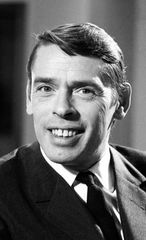
Jacques Romain Georges Brel was a Belgian singer, composer and lyricist who became an international star in the early 1960s.  More

Jacques Brel

Brel, Jacques

Jacques Romain Georges Brel was a Belgian singer, composer and lyricist who became an international star in the early 1960s. After retiring from the stage in 1967, he was active as a film actor and director. During the most important part of his career he collaborated with the composers François Rauber and Gérard Jouannest.

Brel, who lives in Brussels, regarded himself as a French-speaking Fleming. He sang mainly in French and recorded some Dutch versions of his chansons, mostly translated by Ernst van Altena. Because of his critical, often mocking, texts about the Flemish Movement and life under the wings of the Roman Catholic Church, Brel was controversial among Flemish people. However, he also wrote various hymns to the Flemish land and the female part of its inhabitants.

Many artists have performed or recorded Brel chansons: Will Ferdy, Liesbeth List, Johan Verminnen, Herman van Veen, Jeroen Willems and Patrick Riguelle. In the English-speaking region, translator Rod McKuen and singers Scott Walker, Terry Jacks and David Bowie in particular brought Brel's fame. There are countless versions of "If You Go Away" (the English adaptation of "Ne me quitte pas"), the best known of which are those by Dusty Springfield, Neil Diamond and Frank Sinatra.

Brel grew up in a bourgeois environment. Initially, everything indicated that he would succeed his father as factory director. After leaving secondary school, he worked for four years at the cardboard factory "Vanneste & Brel" in which his father was a co-partner. In the meantime, he devoted himself to singing and acting in the humanist-Catholic youth movement "Franche Cordée".

Meanwhile, Brel wrote songs and poems. In 1952 he started a career as a chansonnier under the care of Angèle Guller. He appeared in her radio program, gave performances and in 1953 made a 78 rpm record with the good songs "La Foire" and "Il ya" . A year later it became clear that Brel would not become a factory director but a chansonnier. He left for Paris where he sold his work with varying degrees of success. He left his business card with the French-language radio, assuming that it will promote his songs. But that doesn't happen because Brel's songs don't appeal there. One who is moved by Brel's work is Jef Claessen of Omroep Limburg. He brings Brel to Hasselt and has him sing live in various broadcasts. His Flemish entrance was made and in August 1953 Jacques Brel was heard on the radio for the first time, thanks to Jef Claessen. His record caught the attention of Jacques Canetti. He had him perform a few times in his cabaret "Les Trois Baudets".

Brel's operations were received with varying degrees of enthusiasm, but were successful enough to bring his family over in 1954. That same year, he met Georges Pasquier ("Jojo") who would remain his closest friend. The first contacts with pianist/arranger/orchestral leader François Rauber and pianist Gérard Jouannest date from the same period, who would support Brel during the rest of his musical career. Rauber provided the musical accompaniment on Brel's records while Jouannest was the permanent accompanist on stage. Both are known as co-authors of various chansons. Later accordionist Jean Corti joined this core of Brel accompanists.

In 1955 Brel was on the eve of his breakthrough. In the Brussels "Ancienne Belgique" he provided the support act for Bobbejaan Schoepen for a week.

In 1956 Brel had his breakthrough with the album Quand on n'a que l'Amour . Brel was from that moment recognized as an artist. That the quality of his family life had not improved in the meantime, became apparent when Miche decided in 1958 to go back to live in Brussels with the children. Miche and Jacques led separate lives from then on, but the relationship was never broken permanently. Jacques remained the breadwinner and occasionally played the role of a family man. That he had many mistresses was an open secret.

From the late 1950s, Brel's work became more grim. Contemporaries reported that it was mainly Jojo who inspired Jacques to exchange his Catholic-humanistic view of life for a worldview in which man is primarily a warrior. Coupled with the musical skills of Jouannest and Rauber, this resulted in a renewed Jacques Brel: in "Les Flamandes" from 1959, he takes a stand against the hypocritical bourgeois morality he knew from his youth; in "Ne Me Quitte Pas" (1959) love seems to hurt more than good and "La Mort" (1960) is the first in a series of Brel chansons about death. These are three themes that continuously crop up in Brel's texts from that moment on. He acquired a more serious, literary image and antagonized listeners who might appreciate the gooey "Quand on n'a que l'Amour" . The success was no less. In the period up to 1967 Brel led a hectic existence in which the level of his songs and performances remained unchanged. During his concerts, the accent shifted: initially Brel was a cabaret-style court jester who occasionally sang a sensitive song, as the years went by he played the role of a doomed poet, who brought his personal pain into the limelight on stage. The intense way in which he spat his chansons into the hall was admired even in countries where the French language has traditionally been an insurmountable obstacle: in 1965 Brel performed in Moscow and in New York's Carnegie Hall.

In interviews, which he initially made with polite jokes, over time Brel increasingly indulged in brooding philosophizing about his adult-robbed childhood and the value of chasing dreams. Such outpourings were usually quickly followed by a joke that puts things into perspective because, Brel insisted, life is ultimately uninteresting and not to be taken seriously.

In addition to an intense tour schedule of an average of 300 performances a year, Brel had an intense drinking and smoking schedule all those years. His night's rest consisted of naps and he claims that he lost more than half a kilo of body weight in less than an hour during a performance. Not surprisingly, he gave his last concert on May 16, 1967. As the reason for his retirement, he stated that he was afraid of losing his artistic acuity. He also wanted to free up more time for "other things". In addition, there were rumors that Brel stopped performing for health reasons. The title of an American musical that gave an important impulse to Brel's fame in the Anglo-Saxon world around the same time is therefore wry: "Jacques Brel is alive and well and living in Paris".

Brel started taking it easy from 1967. In his case, that meant playing Don Quixote in a musical he directed himself (l'Homme de la Mancha) and starting a film career.

Although his achievements as a film actor were well received, he did not achieve the success that he had as a singer in that field. The two films he directed himself were flops and Brel had to conclude that the pursuit of this dream had ended in failure. The children's theater performance "Voyage sur la Lune" also did not yield the desired result. Brel and Rauber supplied the songs for this musical but canceled the performances just before the scheduled premiere in 1970, because they found the work of director Jean-Marc Landier substandard.

Less artistic pursuits enjoyed Brel's attention after 1967: he obtained his flying and sailing license and sailed the Atlantic and Pacific Ocean with his mistress Maddly Bamy in the sailing yacht "Askoy II". Eventually, the couple ended up on the island of Hiva Oa, part of the Marquesas Islands in the Pacific Ocean.

When Brel was diagnosed with lung cancer in 1974, he settled permanently on Hiva Oa. With the plane Jojo (named after his recently deceased friend) he provided hand-and-crank services to the local population. He occasionally traveled to Europe for medical treatment and eventually to record a final LP.

The LP "Brel" was released at the end of 1977 and was the first full-fledged Brel record in almost ten years. It sold 600,000 copies on the day it was released, and Brel was considered an artistic success. Shortly after the album's release, Brel returned to Hiva Oa, where he stayed with Maddly until the summer of 1978.

A rapidly deteriorating health condition forced him to spend the last three months of his life in France. He died in a hospital bed in Bobigny (near Paris) of a pulmonary embolism and was buried on Hiva Oa.

In the years following his death, Brel was far from being forgotten. His daughter France founded the "Fondation Jacques Brel" in 1981, which has been watching over his artistic legacy ever since. Already in 1962 Miche Brel had founded the music publishing house "Éditions Pouchenel" to publish Brel's work. In 2006, both merged into "Éditions Jacques Brel".

In the 21st century, Brel's work is performed by other artists. French-speaking radio listeners from various countries proclaimed "Ne Me Quitte Pas" the best song of the twentieth century.

Brel's complicated relationship with women echoed for years to come. His widow Miche Brel and Maddly Bamy, with whom he lived from 1971 until his death in 1978, argued for years about where Brel's grave should be and who or what exactly should be mentioned on the stone. In 1999, Maddly won the lawsuit, granting her the right to place an image of Brel's and her faces on the headstone. In addition, Maddly Bamy periodically informs the world about what Brel would supernaturally transmit to her from the afterlife.

Automatic translation Click here for the original text
Hide original text

Jacques Romain Georges Brel was een Belgische zanger, componist en tekstschrijver die in de vroege jaren zestig uitgroeide tot een internationale vedette. Na zijn afscheid van het podium in 1967 was hij actief als filmacteur en -regisseur. Tijdens het belangrijkste deel van zijn carrière werkte hij samen met de componisten François Rauber en Gérard Jouannest.

De in Brussel wonende Brel beschouwde zichzelf als Franstalige Vlaming. Hij zong voornamelijk in het Frans en nam enkele Nederlandse versies van zijn chansons op, meestal door Ernst van Altena vertaald. Vanwege zijn kritische, vaak spottende, teksten over de Vlaamse Beweging en het leven onder de vleugels van de rooms-katholieke Kerk was Brel onder Vlamingen omstreden. Hij schreef echter ook diverse lofzangen op het Vlaamse land en het vrouwelijk deel van zijn bewoners.

Vele artiesten hebben Brel-chansons uitgevoerd of opgenomen: Will Ferdy, Liesbeth List, Johan Verminnen, Herman van Veen, Jeroen Willems en Patrick Riguelle. In het Engelse taalgebied zorgden met name vertaler Rod McKuen en de zangers Scott Walker, Terry Jacks en David Bowie voor Brels bekendheid. Van "If You Go Away" (de Engelse bewerking van "Ne me quitte pas") bestaan talloze versies, waarvan die van Dusty Springfield, Neil Diamond en Frank Sinatra de bekendste zijn.

Brel groeide op in een burgerlijk milieu. Aanvankelijk wees alles erop dat hij zijn vader zou opvolgen als fabrieksdirecteur. Na het verlaten van de middelbare school werkte hij vier jaar lang bij de kartonfabriek "Vanneste & Brel" waarin zijn vader medevennoot was. Bij de humanistisch-Katholieke jeugdbeweging "Franche Cordée" legde hij zich ondertussen toe op zang en toneelspel.

Ondertussen schreef Brel liedjes en gedichten. In 1952 begon hij onder de hoede van Angèle Guller aan een carrière als chansonnier. Hij trad op in haar radioprogramma, gaf optredens en maakte in 1953 een 78-toerenplaat met de brave liedjes "La Foire" en "Il y a". Een jaar later werd het duidelijk dat Brel geen fabrieksdirecteur zou worden maar chansonnier. Hij vertrok naar Parijs waar hij met wisselend succes zijn werk aan de man bracht. Hij liet zijn visitekaartje achter bij de Franstalige radio in de vaste veronderstelling dat die zijn liedjes zal promoten. Maar dat gebeurt niet omdat de liedjes van Brel er niet aanspreken. Wie wel ontroerd wordt door het werk van Brel is Jef Claessen van Omroep Limburg. Hij haalt Brel naar Hasselt en laat hem in diverse uitzendingen live zingen. Zijn Vlaamse entree is gemaakt en in augustus 1953 was Jacques Brel voor het eerst op de radio te horen, dankzij Jef Claessen. Zijn plaat trok de aandacht van Jacques Canetti. Deze liet hem een paar keer in zijn cabaret "Les Trois Baudets" optreden.

Brels verrichtingen werden met wisselend enthousiasme ontvangen maar waren succesvol genoeg om in 1954 zijn gezin over te laten komen. In datzelfde jaar ontmoette hij Georges Pasquier ("Jojo") die zijn boezemvriend zou blijven. Uit dezelfde periode stammen de eerste contacten met pianist/arrangeur/orkestleider François Rauber en pianist Gérard Jouannest die Brel tijdens de rest van zijn muzikale carrière terzijde zouden staan. Rauber verzorgde de muzikale omlijsting op Brels platen terwijl Jouannest de vaste begeleider op het podium was. Beiden staan te boek als co-auteur van diverse chansons. Later voegde accordeonist Jean Corti zich bij deze kern van Brel-begeleiders.

In 1955 stond Brel aan de vooravond van zijn doorbraak. In de Brusselse "Ancienne Belgique" verzorgde hij een week het voorprogramma van Bobbejaan Schoepen.

In 1956 beleefde Brel zijn doorbraak met de plaat "Quand on n'a que l'Amour". Brel was vanaf dat moment erkend als artiest. Dat de kwaliteit van zijn gezinsleven er intussen niet op vooruit ging, bleek toen Miche in 1958 besloot om met de kinderen weer in Brussel te gaan wonen. Miche en Jacques leidden van dan af gescheiden levens maar de relatie werd nooit definitief verbroken. Jacques bleef kostwinner en speelde incidenteel de rol van huisvader. Dat hij er vele minnaressen op nahield, was een publiek geheim.

Vanaf de late jaren vijftig werd het werk van Brel grimmiger. Tijdgenoten meldden dat het vooral Jojo was die Jacques inspireerde om zijn katholiek-humanistische levensvisie te verruilen voor een wereldbeeld waarin de mens in de eerste plaats een strijder is. Gekoppeld aan de muzikale vakkunst van Jouannest en Rauber leverde dit een vernieuwde Jacques Brel op: in "Les Flamandes" uit 1959 trekt hij van leer tegen de hypocriete burgerlijke moraal die hij uit zijn jeugd kende; in "Ne Me Quitte Pas" (1959) lijkt de liefde meer pijn dan goed te doen en "La Mort" (1960) is het eerste uit een reeks Brel-chansons over de dood. Het zijn drie thema's die vanaf dat moment voortdurend opduiken in Brels teksten. Hij verwierf een serieuzer, literair imago en joeg luisteraars tegen zich in het harnas die het zoetsappige "Quand on n'a que l'Amour" misschien wel konden waarderen. Het succes was er niet minder om. In de periode tot 1967 leidde Brel een hectisch bestaan waarin het niveau van zijn liedjes en optredens onveranderd hoog bleef. Tijdens zijn concerten verschoof het accent: was Brel aanvankelijk een cabareteske hofnar die af en toe een gevoelig liedje zong, naarmate de jaren vorderden speelde hij de rol van gedoemd dichter, die op het podium zijn persoonlijke pijn voor het voetlicht bracht. De intense manier waarop hij zijn chansons de zaal in spuugde, oogstte zelfs bewondering in landen waar de Franse taal traditioneel een onneembare hindernis vormt: in 1965 trad Brel op in Moskou en in de Carnegie Hall in New York.

In interviews, waar hij zich aanvankelijk met beleefde grapjes vanaf maakte, gaf Brel zich in de loop van de tijd steeds vaker over aan tobberig gefilosofeer over zijn door de volwassenen geroofde jeugd en de waarde van het najagen van dromen. Dergelijke ontboezemingen werden meestal snel gevolgd door een relativerend grapje want, hield Brel vol, het leven is uiteindelijk oninteressant en niet serieus te nemen.

Naast een intens tourschema van gemiddeld 300 optredens per jaar hield Brel er al die jaren een intens drink- en rookschema op na. Zijn nachtrust bestond uit hazenslaapjes en hij verloor tijdens een optreden naar eigen zeggen in een klein uur ruim een halve kilo aan lichaamsgewicht. Het wekte geen verbazing dat hij op 16 mei 1967 zijn laatste concert gaf. Als reden voor zijn afscheid gaf hij op dat hij bang was om zijn artistieke scherpte te verliezen. Ook wilde hij meer tijd vrijmaken voor "andere dingen". Daarnaast deden er geruchten de ronde dat Brel om gezondheidsredenen met optreden stopte. De titel van een Amerikaanse musical die rond dezelfde tijd een belangrijke impuls aan Brels bekendheid in de Angelsaksische wereld gaf, is in dit verband dan ook wrang: "Jacques Brel is alive and well and living in Paris".

Brel ging het vanaf 1967 rustig aan doen. In zijn geval betekende dat: Don Quichot spelen in een door hem zelf geregisseerde musical (l'Homme de la Mancha) en een filmcarrière beginnen.

Hoewel zijn verrichtingen als filmacteur welwillend werden ontvangen, behaalde hij op dat gebied niet het succes dat hem als zanger ten deel viel. De twee films die hij zelf regisseerde waren flops en Brel moest concluderen dat het najagen van deze droom in een mislukking was geëindigd. Ook de kindertheatervoorstelling "Voyage sur la Lune" leverde niet het gewenste resultaat. Brel en Rauber leverden de liedjes voor deze musical maar bliezen de voorstellingen vlak voor de geplande première in 1970 af, omdat ze het werk van regisseur Jean-Marc Landier ondermaats vonden.

Minder artistieke bezigheden genoten na 1967 Brels aandacht: hij behaalde zijn vlieg- en zeilbrevet en bevoer samen met minnares Maddly Bamy per zeiljacht "Askoy II" de Atlantische en Stille Oceaan. Uiteindelijk belandde het paar op het eiland Hiva Oa, onderdeel van de Marquesaseilanden in de Stille Oceaan.

Toen bij Brel in 1974 longkanker werd geconstateerd, vestigde hij zich definitief op Hiva Oa. Met het vliegtuigje Jojo (genoemd naar zijn kort tevoren overleden vriend) verleende hij hand-en-spandiensten aan de lokale bevolking. Hij reisde nu en dan naar Europa voor een medische behandeling en uiteindelijk voor het opnemen van een laatste LP.

De LP "Brel" verscheen eind 1977 en was de eerste volwaardige Brel-plaat in bijna tien jaar. Er werden op de dag dat de plaat uitkwam 600.000 exemplaren van verkocht en in artistiek opzicht werd Brel als een succes beschouwd. Kort na het uitkomen van de plaat keerde Brel terug naar Hiva Oa, waar hij tot de zomer van 1978 samen met Maddly verbleef.

Een snel verslechterende gezondheidstoestand dwong hem de laatste drie maanden van zijn leven in Frankrijk door te brengen. Hij stierf in een ziekenhuisbed in Bobigny (bij Parijs) aan een longembolie en werd begraven op Hiva Oa.

In de jaren na zijn dood raakte Brel allerminst in de vergetelheid. Zijn dochter France richtte in 1981 de "Fondation Jacques Brel" op, die sindsdien waakte over zijn artistieke nalatenschap. Al in 1962 had Miche Brel de muziekuitgeverij "Éditions Pouchenel" in het leven geroepen om Brels werk uit te geven. In 2006 fuseerden beide tot "Éditions Jacques Brel".

In de 21e eeuw wordt Brels werk door andere artiesten uitgevoerd. Franstalige radioluisteraars uit diverse landen riepen "Ne Me Quitte Pas" uit tot het beste lied van de twintigste eeuw.

Brels gecompliceerde verhouding met vrouwen echode nog jaren na. Zijn weduwe Miche Brel en Maddly Bamy, met wie hij vanaf 1971 tot zijn dood in 1978 samenleefde, streden jaren over de vraag waar Brels graf zich zou moeten bevinden en wie of wat er precies op de steen vermeld zou moeten staan. In 1999 won Maddly de rechtszaak, waarbij zij het recht kreeg om een afbeelding van de gezichten van Brel en haar op de grafsteen te plaatsen. Daarnaast houdt Maddly Bamy de wereld periodiek op de hoogte van hetgeen Brel haar op bovennatuurlijke wijze vanuit het hiernamaals zou doorseinen.


Full name
Jacques Brel
Born
Schaarbeek, 8 april 1929
Deceased
Bobigny (Paris), 9 oktober 1978
Number of vinyl records and cds
219
Number of related items
7
Oldest item
Qu'avons nous fait bonnes gens (1955)
Latest item
Het allerbeste uit Classics 1000 - 2019 (2019)
Most expensive item
De apen (Les singes) (€ 60.00)
Date of entry:October 20, 2015 09:58by:Humphrey56
Last updated :October 20, 2015 09:58by:Humphrey56

  • 1
  • 2
  • 3
  • 4
  • >
219 selected
Qu'avons nous fait bonnes gens
  • 1955
  • EP 432 043 BE
Jacques Brel 3
Jacques Brel 3
  • 1956
  • EP 432 126 BE
Jacques Brel 5
Jacques Brel 5
  • 1957
  • EP 432 260 BE
Quand on n'a que l'amour
€ 
10
.
00
Quand on n'a que l'amour
  • 1957
  • Mini B 76.085 R
 Je ne sais pas
Je ne sais pas
  • 1958
  • EP 432 326 BE
Jacques Brel 4
€ 
20
.
00
Jacques Brel 4
  • 1959
  • Mini B 76.483 R
La colombe
La colombe
  • 1959
  • Single 372 700 BF
Les Flamandes
Les Flamandes
  • 1959
  • EP 432 425 BE
Voir
Voir
  • 1959
  • EP 432.326 BE
La valse a mille temps
  • 1960
  • Single 372 735 BF
La valse a mille temps
  • 1960
  • EP 432.371 BE
Les Flamandes
€ 
5
.
00
Les Flamandes
  • 1960
  • EP 432-425 BE
Ne me quitte pas
€ 
7
.
50
Ne me quitte pas
  • 1960
  • EP 432 517
Ne me quitte pas
Ne me quitte pas
  • 1960
  • EP 432 517 BE
Une Nuit de Cabaret à Paris
  • 1960
  • Mini P 76080 R
De apen (Les singes)
€ 
60
De apen (Les singes)
  • 1961
  • Single 372 859 BF
Jacqes Brel No. 5
€ 
40
Jacqes Brel No. 5
  • 1961
  • Mini B 76 513 R
 Le moribond
Le moribond
  • 1961
  • EP 432 518 BE
Le moribond
Le moribond
  • 1961
  • Single 372 853 BF
Les bourgeois
Les bourgeois
  • 1961
  • LP: 80173
Marieke
€ 
5
.
00
Marieke
  • 1961
  • EP 432 531 BE
Marieke
Marieke
  • 1961
  • Single 372 858 BF
Au printemps sur la place
  • 1962
  • LP B 77.840 L
Jacques Brel
Jacques Brel
  • 1962
  • EP 70452
Le plat pays
Le plat pays
  • 1962
  • EP 70475
Le plat pays
Le plat pays
  • 1962
  • EP BLY 70475
Le Plat Pays
Le Plat Pays
  • 1962
  • MC 4.90.261
Les Bigotes
€ 
5
.
00
Les Bigotes
  • 1962
  • EP 70491
Les bourgeois
Les bourgeois
  • 1962
  • Single 60313
Les Bourgeois
Les Bourgeois
  • 1962
  • EP 70453
Madeleine
Madeleine
  • 1962
  • EP 70452
Madeleine
Madeleine
  • 1962
  • Mini 80175
Marieke
Marieke
  • 1962
  • Single 372 858 BF
Une Ile
Une Ile
  • 1962
  • Single 60315
Entre Pigalle et Blanche
  • 1963
  • LP R 77365 L
Le Plat Pays
€ 
4
.
00
Le Plat Pays
  • 1963
  • 70 475
Les bigotes
Les bigotes
  • 1963
  • Mini 80186
Les toros
Les toros
  • 1963
  • EP 70556
Les toros
Les toros
  • 1963
  • EP 70556
Les vieux
Les vieux
  • 1963
  • Single BLY 60376
Mijn vlakke land
Mijn vlakke land
  • 1963
  • Single 60 976
Amsterdam
Amsterdam
  • 1964
  • EP 70 725
Amsterdam
€ 
5
.
00
Amsterdam
  • 1964
  • EP 70 725
Amsterdam
Amsterdam
  • 1964
  • Single 60.520
Jef
Jef
  • 1964
  • Mini 80222
Jef
€ 
3
.
00
Jef
  • 1964
  • EP 70636
Laat me niet alleen (Ne me quitte pas)
  • 1964
  • Single 328 025 JF
Mathilde
Mathilde
  • 1964
  • EP 70635
Ne me quitte pas
Ne me quitte pas
  • 1964
  • LP 70 725
Olympia 64
Olympia 64
  • 1964
  • Mini BLY 80243
Ces gens-la
Ces gens-la
  • 1965
  • Mini-LP 80284
Le Moribond
€ 
2
.
50
Le Moribond
  • 1965
  • 432.518
Le moribond
Le moribond
  • 1965
  • Single 328 038 JF
Les bonbons
Les bonbons
  • 1965
  • LP: 80322
Les Toros
€ 
2
.
50
Les Toros
  • 1965
  • EP 70 556
Mijn vlakke Land
Mijn vlakke Land
  • 1965
  • Single BLY 60547
Ne me quitte pas
€ 
7
.
50
Ne me quitte pas
  • 1965
  • Single 372 735 BF
Ces gens là
Ces gens là
  • 1966
  • LP 80323
Ces gens là
Ces gens là
  • 1966
  • LP 90.021
Jacques Brel  No. 3
€ 
15
.
00
Jacques Brel No. 3
  • 1966
  • LP 844.769 BY
  • Get to know us
  • About LastDodo
  • Catalogue
  • Buy
  • Sell
  • Subscriptions
  • Help
  • How does it work?
  • Frequently Asked Questions
  • Contact
  • Forum
  • Return and refund policy
  • Explore
  • Stamps buy and sell
  • Comic books buy and sell
  • Coins buy and sell
  • Books buy and sell
  • Music buy and sell
  • Film buy and sell
  • Postcards buy and sell
  • Trading cards buy and sell
  • Cigar bands buy and sell
  • Model cars buy and sell
© 2026 LastDodo
Terms of usePrivacy policyCookie policy