New to LastDodo?See how it works
New here? LastDodo is rated
99.2% positive in 728,822 shop reviews. Find out how it works
BuySellCatalogueCollection Wish list Forum
EN
NederlandsEnglishFrançaisDeutsch
Shopping cart of:
You have more shopping carts
View 9 shopping carts from other shops
Shopping cart

The shopping cart is currently empty.

Sign inFrequently Asked Questions
Sign in
StampsComic booksCoinsBooksMusicFilmPostcardsTrading cardsCigar bandsModel carsTea bags
All areas (75)
All areas
  • A
  • Album pictures(145,845)
  • Alcohol / beverages(8,276)
  • Audiovisual equipment(1,226)
  • Autographs(5,565)
  • B
  • Badges(4,475)
  • Banknotes(30,354)
  • Beer labels(83,642)
  • Beer mats(150,504)
  • Board games(19,296)
  • Bookmarks(3,904)
  • Books(495,369)
  • C
  • Calculators(1,702)
  • Cans / tins(9,741)
  • Caps and Pogs(19,972)
  • Car brochures(10,728)
  • Ceramics(5,587)
  • Cigar labels(292,245)
  • Clocks and alarm clocks(629)
  • Coins(105,190)
  • Collection albums(5,372)
  • Comic books(659,534)
  • Comic ex-libris and prints(43,705)
  • Creamer cup lids(24,241)
  • Crown Caps(8,965)
  • D
  • Dolls and bears(3,588)
  • Drawings / paintings(31,100)
  • DVD / Video / Blu-ray(96,247)
  • E
  • Enamel signs(832)
  • Entrance tickets(3,260)
  • F
  • Figures and statuettes(92,390)
  • Fossils(331)
  • G
  • Gift cards(27,294)
  • J
  • Jewellery(3,162)
  • Jigsaw puzzles(8,092)
  • K
  • Keychains(9,450)
  • Kitchenware & tableware(19,989)
  • L
  • Lighters(6,790)
  • M
  • Magazines / newspapers(292,875)
  • Maps and globes(3,021)
  • Markclips(33,867)
  • Match Programmes(5,703)
  • Matchcovers(102,908)
  • Minicards(18,851)
  • Model cars and scale model(81,972)
  • Model trains / Railway modelling(12,480)
  • N
  • Naturalia(7,977)
  • P
  • Perfins(13,754)
  • Perfume bottles(9,029)
  • Phone cards(112,806)
  • Photo and video cameras(5,854)
  • Picture stamps(8,734)
  • Pins and buttons(102,727)
  • Postcards(427,815)
  • Posters(11,427)
  • Prints / graphics(5,936)
  • R
  • Records and CDs(261,431)
  • Revenue stamps(6,334)
  • Rolling papers(3,743)
  • S
  • Securities and bonds(1,552)
  • Stamps(967,937)
  • Stationery(4,128)
  • Stickers(35,561)
  • Sugar sachets(65,104)
  • T
  • Tea bags(155,068)
  • Telephones(270)
  • Templates and molds(3,819)
  • Thimbles(2,706)
  • Tokens / Medals(24,475)
  • Toy soldiers(20,225)
  • Toys(14,277)
  • Trading cards(252,726)
  • V
  • Vases & flowerpots(3,521)
  • Video games(22,220)
  • W
  • Watches(3,136)
  • Wine(2,685)
  1. Home
  2. Catalogue
  3. Vinyl records and CDs
  4. Artists/bands
  5. Neil Young
Vinyl records and CDsRelated areas (64)

Neil Young music catalogue

349 items

Neil Percival Young is a Canadian singer-songwriter.  More

Neil Young

Young, Neil

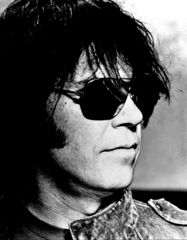
Neil Percival Young (born November 12, 1945) is a Canadian singer-songwriter.
Neil Young is the son of writer and journalist Scott Young and his wife Edna "Rassy" Ragland. He was born at Toronto General Hospital. The family then lived in a cottage on Brooke Avenue in north Toronto. Young developed diabetes at a young age. In 1951 he suffered from the viral disease polio. He grew up in Omemee, but he attended Faulkner Street Elementary School in New Smyrna, Florida. At the age of ten, Young started a company called "Neil Eggs". He kept chickens and worked on a golf course to pay for the feed. He then planned to later become a farmer at the Ontario Agricultural College.

He had a paper route and got up early in the morning to deliver the "Globe and Mail". Before going to sleep, he listened to the radio station 1050-CHUM and thus became interested in music. In 1958, Young got his first musical instrument: a plastic ukulele, a Christmas present from his parents. When he was twelve years old, his parents divorced and he moved to Winnipeg with his mother. He went on to successively attend Earl Gray Junior High School and Kelvin High School. There he also formed his first band, "The Jades". Other bands he played in early on were "The Esquires", "The Stardusters" and "The Classics".

Young had his first success with "The Squires", a rock and roll group that also consisted of drummer Ken Smyth, bassist Ken Koblun and rhythm guitarist Allan Bates. This band made instrumental music and covered pop songs from, among others, "The Shadows". "The Squires" rehearsed in Smyth's basement a few times a week. Young had assembled the amps himself. He played an orange Gretsch guitar. The band toured in Young's mother's car or Smyth's father's Chrysler. With radio DJ Bob Bradburn, they recorded the single "The Sultan" on July 23, 1963, which V Records released in November 1963. It was Young's first recording session and his vocals were also recorded during this session, although "The Squires" continued to play purely instrumental music after that. In the summer of 1964, "The Squires" broke up. Young did poorly in school and dropped out when he was eighteen. In the fall of 1964, he re-formed the group with Koblun, school friend Bill Edmundson, and piano player Jeff Wuckert. They performed as "Neil Young & The Squires". Young bought a rickety hearse, a 1948 Buick Roadmaster, that the band toured with. They played in the spring of 1965 as support act for "Stephen Stills' band The Company". In the summer, the band disbanded and Young continued solo. He exchanged his Gretsch guitar for a twelve-string acoustic guitar.

In January 1966, at the request of bassist Bruce Palmer, he joined Toronto's "The Mynah Birds". James Johnson Jr., who had a big hit with the funk song "Super Freak" in the 1980s, was the band's lead singer. He had deserted from the US Navy and worked in Canada under the pseudonym Rick James to hide from authorities. James' uncle, Melvin Franklin of "The Temptations", introduced the band to Motown.

"The Mynah Birds" recorded sixteen songs for Motown. They combined rock and roll with soul. Young himself described the music of "The Mynah Birds" as "a Rolling Stones kind of R&B thing": "rhythm-and-blues like The Rolling Stones played it". He initially used his twelve-string guitar, but businessman John David Eaton gifted him a Rickenbacker electric guitar and some amplifiers. The recordings were still in progress when James was arrested for his desertion, causing the band to split up in March 1966. Their recording contract was dissolved and Motown did not release their music. A musicologist managed to find the tapes in the Motown archive in the early 1990s. One single, titled "It's my time", with "Go on and cry" on the B-side, was not first released until 2006.

Palmer and Young sold the guitar and amps Eaton had donated to them. With this money, Young bought another 1953 Pontiac black hearse. With this, the two traveled to California to try their luck there. On April 6, 1966, Palmer and Young ran into Stills on Sunset Boulevard in Los Angeles. Young, Palmer, Stills and Richie Furay formed the rock band "The Herd". Soon they named themselves after a steamroller: "Buffalo Springfield". On April 15 that year, the band performed together for the first time, opening for "The Byrds". After that they played as a regular group in the nightlife "Whiskey A Go-Go". Their debut album, "Buffalo Springfield", was released by Atlantic Records in 1967. The single "For What It's Worth" became a big hit.

Young was constantly arguing with Stills. He left the band in May 1967, but returned after four months. During his absence, "Buffalo Springfield" played at the Monterey Pop Festival, among others, with Young being replaced by David Crosby of "The Byrds". The music the band recorded after their debut album with and without Young was initially to be released by Atco Records as an album titled "Stampede", but the album was never finished and was never released. Instead, "Buffalo Springfield Again" was released as a follow-up to the debut.

Young's reunion with "Buffalo Springfield" was short-lived. In May 1968 he left the band again and a few weeks later "Buffalo Springfield" ceased to exist. Young was disappointed. In an interview in February 1969 he stated that the band could have achieved more, but that the lack of success made it impossible to work together any longer: "It's hard enough to live with yourself, when you've considered what you've done a failure rather than a success (...), living with four other guys is even harder." On February 5, 1968, Young recorded his last song, "I am a child," for the third album at Sunset Sound Studios. The band last performed on May 5 that year at the Long Beach Arena in Long Beach, California. The third album, "Last Time Around", was released on July 30, 1968.

After "Buffalo Springfield", Young worked on his first solo album, "Neil Young". His manager Eliott Roberts and pianist Jack Nitzsche helped him get a recording contract with Reprise Records, which released the album in November 1968. A month later, the single "The loner" followed with a live recording of the song "Sugar mountain" on the B-side. For his second solo album, 1969's "Everybody Knows This Is Nowhere", Young collaborated for the first time with the American band "Crazy Horse". This band was originally a vocal group and at the time consisted of bassist Billy Talbot, drummer Ralph Molina, guitarist Danny Whitten, guitarist George Whitsell and violinist Bobby Notkoff. Young played with "The Rockets", as the band called themselves at the time, in the "Whisky-a-Go-Go".

After "Everybody Knows This Is Nowhere," Young joined the supergroup Crosby, Stills & Nash. They had already had success with their first album, "CSN". Stills first asked John Sebastian of "The Lovin' Spoonful", but he refused. "Crosby, Stills, Nash & Young", abbreviated to "CSNY", first performed on August 16, 1969. Two days later, they also played at the Woodstock music festival. In two months they recorded the album "Déjà vu". The album was a huge success. More than seven million copies were sold. The songs "Woodstock", written by Joni Mitchell, "Teach your children" and "Our house" were released as singles.

They toured North America in the winter of 1969 and Europe in 1970. On January 6 that year they played at the Royal Albert Hall in London, with the audience including Paul McCartney and Donovan. This was Young's first performance in Europe. Due to disagreements between the band members, the tour ended quite suddenly. Following the Kent State massacre, Young wrote the protest song "Ohio", which brought the foursome together again to record the new song. A live recorded version was released as a single in 1970. In April 1971, Atlantic Records released the live album "4 Way Street". After this tour, the group took a short break and each band member recorded a solo album: "After the gold rush" by Young, "If I could only remember my name" by Crosby, "Songs for Beginners" by Nash and Stephen Stills. Young played on both Crosby and Nash albums. He used the pseudonym Joe Yankee for his work with Nash. Young recorded "After the gold rush" with "Crazy Horse", which since then also includes pianist Jack Nitzsche, peaked at number eight on the US chart Billboard 200 and at number two on the Dutch album chart. This album includes "Southern Man" which caused Lynyrd Skynyrd to challenge himself to the answer song "Sweet Home Alabama".

In 1970, Young damaged his back when he lifted pieces of wood on his ranch. He had previously had back problems. He stayed in a hospital for a while and a doctor advised him to exercise caution and wear a medical corset for support during performances. On December 4, 1970, Young played at Carnegie Hall and had a solo tour ahead of him in January 1971. A few weeks after his performance at Carnegie Hall, he was back in the hospital due to his back pain. It was during this period that he first thought about putting together a compilation album, which was eventually released as "Decade" in October 1977. Also during his tour of Canada and the United States in the fall of 1971, Young wore a corset. He struggled to carry an electric guitar.

In February 1971, Young traveled to Nashville, Tennessee, to appear on a Johnny Cash television program. He played "The Needle and the Damage Done" and "Journey Through the Past". After the television shooting, he attended a party hosted by music producer Elliot Mazer, which also included James Taylor, Linda Ronstadt and Tony Joe White. A day later, Mazer and Young decided to record music at the Quadrofonic Studios, which Mazer co-owned. Featuring drummer Kenny Buttrey, bassist Troy Seals, guitarist Teddy Irwin and steel guitarist Ben Keith, the songs "Bad Fog of Loneliness" and "Dance, Dance, Dance" were recorded, but neither was released. The songs "Heart of Gold", with backing vocals by Taylor and Ronstadt, and "Old Man" were also recorded on the same weekend. The group of Nashville musicians with whom Young collaborated (Keith, Drummond, Buttrey and pianist Jack Nitzsche) were referred to as "The Stray Gators". Crosby and Nash also collaborated on the album.

On August 11, 1971, Young underwent back surgery at Cedars of Lebanon Hospital in Los Angeles. He then spent a long time on his ranch, which he named after the Buffalo Springfield song "Broken Arrow", to recover from the surgery. The release of his new album, "Harvest", was repeatedly delayed, partly because Young did not agree with the design for the album cover. Initially, a photo of Young would be used for this, but he did not want to be on the cover himself. Reprise Records released the album in February 1972 with an album cover without a photo. The album marked Young's breakthrough as a solo artist. More than two million copies were sold. The single "Heart of Gold", with the song "Sugar Mountain" on the B-side, became a US number one hit.

After Harvest, Crosby, Stills, Nash, and Young reunited. They went on vacation to the Hawaiian island of Maui from late May to early June 1973 with bassist Tim Drummond and drummer Johnny Barbata. There they recorded several songs, including "Human Highway", "And so it goes" and "Prison song." The album would be called "Human Highway" and the album cover would use a photo of a setting sun in Hawaii. After the vacation in Hawaii, the company traveled to Young's ranch to continue working on the album. These recording sessions were anything but successful. Stills struggled with cocaine addiction, and Young often kept aloof from the rest of the group. The album was never released.

Young turned away from Harvest's success by recording a number of albums that were less commercially appealing: "Time Fades Away" (1973), "On the Beach" (1974) and "Tonight's the Night" (1975). This trio of albums is also referred to as "The Ditch Trilogy". They were preceded in November 1972 by the soundtrack album "Journey Through the Past", featuring music from Young's first film. It was released by Reprise Records as a so-called successor to "Harvest". Young did not want this album to be released, but he agreed after Warner Bros. promised to release his film. The music on the three albums of "The Ditch Trilogy" is played loosely or even sloppily and most of the songs are quite bleak. Crazy Horse member Danny Whitten and roadie Bruce Berry passed away in the early 1970s. These events particularly marked "Tonight's the Night", an album that record executives found unsuitable for release. Reprise Records postponed the release in the hope that in the meantime Young would make an album that the record executives said would be more successful. "On the beach", the music of which was recorded later than that of "Tonight's the night", was therefore released earlier.

In an interview with Cameron Crowe, published by Rolling Stone in August 1975, Young explained that the death of Danny Whitten sparked this dark period in his life. Whitten struggled with a drug addiction. At a rehearsal for the start of the Time Fades Away tour, which also included Ben Keith, Jack Nitzsche, Tim Drummond and Kenny Buttrey, Young sent him home because he was so far gone that he was unable to to play. Young was called that same day by a coroner that Whitten had died of an overdose.

After "The Ditch Trilogy" followed in November 1975 another album with "Crazy Horse", entitled "Zuma". It features one song with Crosby, Stills and Nash, "Through my sails". The album reached number 25 on the US chart. The album also includes the rock song "Cortez the Killer", which was ranked 321st in a list of the 500 greatest songs of all time by music magazine Rolling Stone. Young continued the success of "Zuma" in 1976 with "Long May You Run", which he recorded with Stephen Stills. However, the collaboration proved short-lived again when Young suddenly broke off a tour with Stills. On November 25, 1976, Young played "The Last Waltz" at "The Band" farewell concert. This was followed by another solo album entitled "American stars 'n bars". Linda Ronstadt worked on this as a backing singer. In 1977, Reprise Records also released the compilation album "Decade", which contained four previously unreleased songs. With the folk album "Comes a time" Young reached the seventh place in the American chart. In the fall of 1978 he toured the United States. The concerts of this tour consisted of two parts: during the first half Young performed solo and for the second half he was accompanied by "Crazy Horse". There were huge counterfeit microphones and loudspeakers on stage. During the tour, he first played songs from his new album "Rest never sleeps", which was released in June 1979. In November 1979 the live album "Live rest" was released.

Young signed a recording contract with the newly founded Geffen Records in 1982. This started an experimental period of his career. He first recorded an album of electronic music and then a rock and roll album "Everybody's Rockin'". David Geffen sued Young for $3 million in June 1984 for not making typical "Neil Young albums." Young stated about this that he, Neil Young, always makes Neil Young albums. He in turn sued Geffen for breach of contract, because his artistic freedom would be restricted by the record company. Meanwhile, Young toured with the International Harvesters, a country group featuring musicians from Nashville. In 2012, the album "A treasure" was released, featuring live music from this tour. Geffen Records also released the albums "Old ways" (1985), "Landing on water" (1986) and "Life" (1987) in the 1980s. There were plans for a "Buffalo Springfield" reunion, but after a rehearsal, Young canceled it. Dewey Martin (drums) and Bruce Palmer (bass) then toured as "Buffalo Springfield Revisited".

In 1988, again under contract with Reprise Records, he makes the blues-oriented album "This note's for you" with "The Bluenotes". With the song of the same name, Young criticized the commercialization of the music. The music video directed by Julien Temple portrayed Michael Jackson and Whitney Houston, among others. They respectively touted Pepsi and Coca-Cola. MTV refused to broadcast this video: it was not allowed to show branded products in music videos. According to press officer Tina Exarhos, MTV used this policy to differentiate the music videos from the commercials. Others, including Temple and Young themselves, have argued that MTV was all about pleasing its advertisers. The decision resulted in a lot of criticism for this music channel, after which parts of the video were still shown in their own news program. Between April 1987 and September 1988, Young recorded his second studio album with Crosby, Stills & Nash. Crosby struggled with a serious cocaine addiction in the 1980s and Young had promised him to work on the album if he would come off drug addiction. Geffen opposed the foursome by demanding fifty percent of the proceeds from Ahmet Ertegün, the boss of Atlantic Records, because of Young's participation. The project was delayed once more when Young embarked on a US solo tour for his album "Life" in August 1988. The album with Crosby, Stills and Nash, entitled "American Dream", was finally released by Atlantic Records in November 1988. In early 1989, the mini-LP "Eldorado" was released, but only in Japan and Australia. Later that year, "Freedom" was released, returning to his old style. The song "Rockin' in the free world" became a modest hit, but became an anthem for many under the influence of the fall of the Iron Curtain and the end of the Cold War.

Throughout the 1990s, Young worked steadily. In 1990, "Ragged glory", which was recorded with "Crazy Horse", was released, followed by the live album "Weld". In 1992 "Harvest Moon" was released. This album was recorded with the same musicians as the album "Harvest" released in 1972. In 1993 "Unplugged" appeared, with which Neil once again put himself in the spotlight. He wrote the song "Philadelphia" for the movie of the same name and collaborated with Randy Bachman. With "Crazy Horse" "Sleeps with angels" was recorded. The title song "Sleeps with angels" is a farewell song on the occasion of Kurt Cobain's death. In 1995 the singer, now renamed "Godfather of Grunge", recorded the album "Mirror ball" with "Pearl Jam". He also produced the soundtrack for the Jim Jarmusch movie "Dead Man", starring Johnny Depp. The collaboration with Jim Jarmusch led to the 1997 rockumentary "Year of the Horse", largely a record of the tour that followed the release of "Broken Arrow" a year earlier. At the end of 1999, "Looking Forward", the third album with Crosby, Stills & Nash, was released.

In 2000, he was awarded a star on Canada's Walk of Fame. The albums "Silver & gold (Neil Young)|Silver & gold" and "Road rocks, vol. 1" were released. Following the September 11 attacks, Young wrote the song "Let's roll", which appeared on the album "Are you passionate?" in the spring of 2002. He performed the song "Imagine" written by John Lennon at a benefit concert, America: A Tribute to Heroes. In 2003 the concept album "Greendale" was released, which was accompanied by his now fourth film of the same name. In 2005 he released the understated, personal CD "Prairie Wind", a live recording of which was filmed by Jonathan Demme and released as "Heart of gold" and in 2006 "Living with war", a rocking indictment of the Iraq policies of President George W. Bush. Especially the song "Let's impeach the president" caused a lot of commotion. The archives were finally opened with the albums "Live at the Fillmore East 1970" with "Crazy Horse" and the acoustic album "Live at Massey Hall 1971" as first releases.

At the end of 2007 "Chrome dreams II" was released, named after the unreleased album "Chrome dreams" thirty years earlier. In February 2008, Neil Young toured Europe, hitting small theaters. In July, the singer returned to the Netherlands and Belgium with his band, which in addition to Young consisted of Ben Keith (guitar), Ralph Molina (drums) and Rick Rosas (bass). In the autumn of 2008 the (concert) film "Déjà Vu Live" was released, a recording of the Freedom Of Speech tour with Crosby, Stills & Nash, held two years earlier, in which he strongly criticized the Iraq war. November 2008 the third part of the Neil Young Archives series was published. It was one of his first solo performances after the breakup of "Buffalo Springfield", titled "Sugar mountain". In April 2009 the 31st studio album "Fork in the road" was released. In the summer of 2009, the long-awaited Neil Young Archives box was released. Later that year, "Dreamin' man live '92", an acoustic live version of the album Harvest moon, was also released.

In May and June 2010, Young toured the United States. Bert Jansch was his support act. The tour was titled the "Twisted Road Tour". He played many songs from his new solo album, which was initially to be titled "Twisted road". It was eventually given the title "Le noise", after the music producer Daniel Lanois. Young recorded the music for this album at Lanois' home in Los Angeles during four overnight sessions. The album was released on September 28, 2010.

Young, Stills and Richie Furay reunited in October 2010 for the first time since 1968 for a "Buffalo Springfield" reunion. They performed at the Bridge School Benefit and started with the song "On the way home". In June 2011, they briefly toured the United States and also played at the Bonnaroo festival. A second US tour was scheduled to take place in the fall of 2011, but was first postponed and eventually canceled when Young dropped out. Young, who announced one of the shows with "We're Buffalo Springfield and we're from the past," said he wanted to move forward and not dwell in the past. .

In May 2012, the music magazine SPIN published a list of the 100 greatest guitarists of all time, with Young in twentieth place. With "Crazy Horse", Young recorded the album "Americana", which was released in early June 2012. It features renditions of traditionals, such as "This land is your land" and "God save the queen". In February 2012, Young announced that he would be recording another album with "Crazy Horse". This double album, "Psychedelic Pill", was released in October 2012. On the occasion of the album, Young toured Europe with "Crazy Horse". The last seven concerts of this tour were canceled because guitarist Frank Sampedro had broken his hand. A tour through North America was also canceled for this reason.

In January 2014, Young campaigned against the exploitation of the tar sands in Canada's Athabasca area. He linked a tour with the name "Honour the treaties" to the promotion. The proceeds from four of these concerts were used for the legal battle of the "Athabasca Chipewyan First Nation" (ACFN), a representation of the Native American tribe living in the Athabasca area, against the Canadian government, which is shelling Shell Canada (part of Royal Dutch Shell) had given permission to further expand the exploitation. The ACFN is concerned about the environmental impact, while proponents of the project emphasize economic interests. Young caused a stir when he compared Fort McMurray with Hiroshima in September 2013. A local radio station therefore refused to play his music any longer.

Young recorded the album "A letter home" with Jack White as music producer, which was released in 2014 by Third Man Records. In the summer of 2014, Young will tour Europe again with "Crazy Horse". Billy Talbot (bass guitar) had a mild heart attack in June and was replaced by Rick Rosas. On November 4, 2014 he released the album "Storytone", Rick Rosas passed away two days later.

Automatic translation Click here for the original text
Hide original text

Neil Percival Young (Toronto (Ontario), 12 november 1945) is een Canadees singer-songwriter.

Neil Young is een zoon van schrijver en journalist Scott Young en diens vrouw Edna "Rassy" Ragland. Hij werd geboren in het Toronto General Hospital. Het gezin woonde toen in een huisje aan Brooke Avenue in het noorden van Toronto. Young kreeg op jonge leeftijd diabetes. In 1951 leed hij aan de virusziekte polio. Hij groeide op in Omemee, maar hij ging in New Smyrna, Florida naar de basisschool, de Faulkner Street Elementary School. Op tienjarige leeftijd begon Young een bedrijfje, "Neil Eggs". Hij hield kippen en werkte op een golfbaan om het voer te bekostigen. Hij was toen van plan om zich later aan het "Ontario Agricultural College" te laten opleiden tot boer.

Hij had een krantenwijk en stond 's ochtends vroeg op om de "Globe and Mail" te bezorgen. Voor het slapengaan luisterde hij naar de radiozender 1050-CHUM en raakte zo geïnteresseerd in muziek. In 1958 kreeg Young zijn eerste muziekinstrument: een plastic ukelele, een kerstgeschenk van zijn ouders. Toen hij twaalf jaar oud was, scheidden zijn ouders en verhuisde hij met zijn moeder naar Winnipeg. Hij ging achtereenvolgens naar de "Earl Grey Junior High School" en de "Kelvin High School". Daar vormde hij ook zijn eerste bandje, "The Jades". Andere bandjes waarin hij in het begin speelde, waren "The Esquires", "The Stardusters" en "The Classics".

Zijn eerste succes boekte Young met "The Squires", een rock-'n-rollgroep die verder uit drummer Ken Smyth, bassist Ken Koblun en slaggitarist Allan Bates bestond. Deze band maakte instrumentale muziek en coverde popliedjes van onder andere "The Shadows". "The Squires" oefenden een paar keer per week in Smyths kelder. Young had zelf de versterkers in elkaar gezet. Hij speelde op een oranje Gretsch-gitaar. De band toerde rond in de auto van Youngs moeder of in de Chrysler van Smyths vader. Bij radio-dj Bob Bradburn namen ze op 23 juli 1963 de single "The sultan" op, die V Records in november 1963 uitbracht. Het was Youngs eerste opnamesessie en tijdens deze sessie werd ook voor het eerst zijn zang opgenomen, al bleven "The Squires" daarna louter instrumentale muziek spelen. In de zomer van 1964 gingen "The Squires" uit elkaar. Young deed het slecht op school en stopte ermee toen hij achttien jaar was. In de herfst van 1964 richtte hij de groep opnieuw op met Koblun, schoolvriend Bill Edmundson en pianospeler Jeff Wuckert. Ze traden op als "Neil Young & The Squires". Young kocht een gammele lijkwagen, een Buick Roadmaster uit 1948, waarmee de band rondreisde. Ze speelden in het voorjaar van 1965 in het voorprogramma van "Stephen Stills' band The Company". In de zomer werd de band opgeheven en ging Young solo verder. Hij verruilde zijn Gretsch-gitaar voor een twaalfsnarige akoestische gitaar.

In januari 1966 sloot hij zich op verzoek van bassist Bruce Palmer aan bij "The Mynah Birds" uit Toronto. James Johnson Jr., die in de jaren tachtig een grote hit scoorde met het funknummer "Super freak", was leadzanger van deze band. Hij was uit de Amerikaanse marine gedeserteerd en werkte in Canada onder het pseudoniem Rick James om zich voor de autoriteiten te verbergen. James' oom, Melvin Franklin van "The Temptations", bracht de band in contact met Motown.

"The Mynah Birds" namen voor Motown zestien liedjes op. Ze combineerden rock-'n-roll met soul. Young beschreef zelf de muziek van "The Mynah Birds" als "a Rolling Stones kind of R&B thing": "rhythm-and-blues zoals The Rolling Stones die speelden". Hij gebruikte eerst nog zijn twaalfsnarige gitaar, maar zakenman John David Eaton schonk hem een elektrische gitaar Rickenbacker en een aantal versterkers. De opnamen waren nog in volle gang toen James wegens zijn desertie werd gearresteerd, waardoor de band in maart 1966 uit elkaar ging. Hun platencontract werd ontbonden en Motown gaf hun muziek dus niet uit. Een musicoloog wist de tapes in het begin van de jaren negentig in het Motown-archief terug te vinden. Eén single, getiteld "It's my time", met op de B-kant "Go on and cry", werd pas in 2006 voor het eerst uitgegeven.

Palmer en Young verkochten de gitaar en de versterkers die Eaton hen had geschonken. Met dit geld kocht Young weer een zwarte lijkwagen uit 1953 van het merk Pontiac. Hiermee reisde het tweetal naar Californië om daar hun geluk te beproeven. Op 6 april 1966 kwamen Palmer en Young op de Sunset Boulevard in Los Angeles Stills tegen. Young, Palmer, Stills en Richie Furay richtten de rockband "The Herd" op. Algauw vernoemden ze zich naar een stoomwals: "Buffalo Springfield". Op 15 april dat jaar trad de band voor het eerst samen op, in het voorprogramma van "The Byrds". Daarna speelden ze als vaste groep in de uitgaansgelegenheid "Whiskey A Go-Go". Hun debuutalbum, "Buffalo Springfield", werd in 1967 door Atlantic Records uitgegeven. De single "For What It's Worth" werd een grote hit.

Young had voortdurend ruzie met Stills. In mei 1967 verliet hij de band, maar al na vier maanden keerde hij terug. Tijdens zijn afwezigheid speelde "Buffalo Springfield" onder meer op het Monterey Pop Festival, waarbij Young vervangen werd door David Crosby van "The Byrds". De muziek die de band na hun debuutalbum met én zonder Young opnam, zou aanvankelijk door Atco Records worden uitgegeven als album met de titel "Stampede", maar het album werd niet afgemaakt en is nooit uitgegeven. In plaats daarvan werd "Buffalo Springfield again" als opvolger van het debuut uitgegeven.

De hereniging van Young met "Buffalo Springfield" was van korte duur. In mei 1968 verliet hij opnieuw de band en een paar weken later hield "Buffalo Springfield" op te bestaan. Young was teleurgesteld. In een interview in februari 1969 verklaarde hij dat de band meer had kunnen bereiken, maar dat het gebrekkige succes het onmogelijk maakte nog langer samen te werken: "It's hard enough to live with yourself, when you've considered what you've done a failure rather than a succes (...), living with four other guys is even harder." Op 5 februari 1968 nam Young zijn laatste liedje, "I am a child", voor het derde album op in de Sunset Sound Studios. De band trad op 5 mei dat jaar in de Long Beach Arena in Long Beach (Californië) voor het laatst op. Het derde album, "Last time around", werd op 30 juli 1968 uitgegeven.

Na "Buffalo Springfield" werkte Young aan zijn eerste soloalbum, "Neil Young". Zijn manager Eliott Roberts en pianist Jack Nitzsche hielpen hem aan een platencontract bij Reprise Records, dat het album in november 1968 uitgaf. Een maand later volgde de single "The loner" met op de B-kant een liveopname van het liedje "Sugar mountain". Voor zijn tweede soloalbum, "Everybody knows this is nowhere" uit 1969, werkte Young voor het eerst samen met de Amerikaanse band "Crazy Horse". Deze band was oorspronkelijk een zanggroep en bestond destijds uit bassist Billy Talbot, drummer Ralph Molina, gitarist Danny Whitten, gitarist George Whitsell en violist Bobby Notkoff. Young speelde met "The Rockets", zoals de band zich toen nog noemde, in de "Whisky-a-Go-Go".

Na "Everybody knows this is nowhere" sloot Young zich aan bij de supergroep Crosby, Stills & Nash. Zij hadden al succes gehad met hun eerste album, "CSN". Stills vroeg eerst John Sebastian van "The Lovin' Spoonful", maar deze weigerde. "Crosby, Stills, Nash & Young", afgekort tot "CSNY", traden op 16 augustus 1969 voor het eerst op. Twee dagen later speelden ze ook op het muziekfestival Woodstock. In twee maanden namen ze het album "Déjà vu" op. Het album was een groot succes. Er werden meer dan zeven miljoen exemplaren van verkocht. De liedjes "Woodstock", geschreven door Joni Mitchell, "Teach your children" en "Our house" werden als singles uitgebracht.

In de winter van 1969 toerden ze door Noord-Amerika en in 1970 door Europa. Op 6 januari dat jaar speelden ze in de Royal Albert Hall te Londen, met onder anderen Paul McCartney en Donovan als publiek. Dit was Youngs eerste optreden in Europa. Door onenigheid tussen de bandleden eindigde de tournee vrij plotseling. Naar aanleiding van het Kent State-bloedbad schreef Young het protestlied "Ohio", waardoor het viertal toch weer even bij elkaar kwam om het nieuwe liedje op te nemen. Een live opgenomen versie werd in 1970 als single uitgebracht. In april 1971 bracht Atlantic Records het livealbum "4 Way Street "uit. Na deze tournee laste de groep een korte pauze in en nam elk bandlid een soloalbum op: "After the gold rush" van Young, "If I could only remember my name" van Crosby, "Songs for Beginners" van Nash en Stephen Stills. Young speelde op de albums van zowel Crosby als Nash. Voor zijn werk met Nash maakte hij gebruik van het pseudoniem Joe Yankee. "After the gold rush" nam Young op met "Crazy Horse", waar sindsdien ook pianist Jack Nitzsche deel van uitmaakte, piekte op de achtste plaats van de Amerikaanse hitlijst Billboard 200 en op de tweede plaats in de Nederlandse albumlijst. Op dit album staat onder meer "Southern man" waardoor Lynyrd Skynyrd zich liet uitdagen tot het antwoordlied "Sweet Home Alabama".

In 1970 beschadigde Young zijn rug toen hij op zijn ranch stukken hout optilde. Hij had eerder al eens rugklachten gehad. Hij verbleef even in een ziekenhuis en een dokter adviseerde hem om voorzichtig te doen en tijdens optredens een medisch korset ter ondersteuning te dragen. Op 4 december 1970 speelde Young in Carnegie Hall en hij had in januari 1971 een solotournee voor de boeg. Een paar weken na zijn optreden in Carnegie Hall was hij in verband met zijn rugklachten weer in het ziekenhuis. Hij dacht in deze periode voor het eerst na over de samenstelling van een compilatiealbum, dat uiteindelijk als "Decade" in oktober 1977 werd uitgegeven. Ook tijdens zijn tournee door Canada en de Verenigde Staten in het najaar van 1971 droeg Young een korset. Het kostte hem moeite om een elektrische gitaar te dragen.

In februari 1971 reisde Young naar Nashville (Tennessee) voor een optreden in een televisieprogramma van Johnny Cash. Hij speelde "The needle and the damage done" en "Journey Through the Past". Na de televisieopnamen ging hij naar een feestje van muziekproducent Elliot Mazer, waarbij ook James Taylor, Linda Ronstadt en Tony Joe White aanwezig waren. Mazer en Young besloten een dag later muziek op te nemen in de Quadrofonic Studios, waarvan Mazer mede-eigenaar was. Met drummer Kenny Buttrey, bassist Troy Seals, gitarist Teddy Irwin en steel-gitarist Ben Keith werden de liedjes "Bad Fog of Loneliness" en "Dance, dance, dance" opgenomen, maar geen van beide werd uitgegeven. In hetzelfde weekend werden ook de liedjes "Heart of gold", met achtergrondzang van Taylor en Ronstadt, en "Old man" opgenomen. De groep muzikanten uit Nashville met wie Young samenwerkte (Keith, Drummond, Buttrey en pianist Jack Nitzsche), werd aangeduid als "The Stray Gators". Ook Crosby en Nash werkten aan het album mee.

Op 11 augustus 1971 onderging Young in het Cedars of Lebanon Hospital in Los Angeles een operatie aan zijn rug. Hij verbleef hierna lange tijd op zijn ranch, die hij vernoemde naar het Buffalo Springfield-liedje "Broken Arrow", om van de ingreep te herstellen. De uitgave van zijn nieuwe album, "Harvest", werd keer op keer uitgesteld, onder meer omdat Young het niet eens was met het ontwerp voor de albumhoes. Aanvankelijk zou hiervoor een foto van Young gebruikt worden, maar hij wilde niet zelf op de hoes staan. Reprise Records gaf de elpee in februari 1972 met een albumhoes zonder foto uit. Het album betekende Youngs doorbraak als soloartiest. Er werden meer dan twee miljoen exemplaren van verkocht. De single "Heart of Gold", met op de B-kant het liedje "Sugar Mountain", werd een Amerikaanse nummer één-hit.

Na Harvest kwamen Crosby, Stills, Nash en Young weer bijeen. Ze gingen van eind mei tot begin juni 1973 met bassist Tim Drummond en drummer Johnny Barbata op vakantie naar het Hawaïaanse eiland Maui. Daar namen ze enkele liedjes op, waaronder "Human Highway", "And so it goes" en "Prison song" Het album zou "Human Highway" heten en als albumhoes zou een foto van een ondergaande zon in Hawaï worden gebruikt. Na de vakantie op Hawaï reisde het gezelschap naar Youngs ranch om verder aan het album te werken. Deze opnamesessies verliepen allesbehalve voorspoedig. Stills had te kampen met een cocaïneverslaving en Young hield zich vaak afzijdig van de rest van de groep. Het album werd nooit uitgegeven.

Young keerde zich af van het succes van Harvest door een aantal albums op te nemen die commercieel minder aantrekkelijk waren: "Time fades away" (1973), "On the beach" (1974) en "Tonight's the night" (1975). Dit drietal albums wordt ook wel aangeduid als "The Ditch Trilogy". Ze werden in november 1972 voorafgegaan door het soundtrackalbum "Journey through the past", met muziek van Youngs eerste film. Het werd door Reprise Records uitgegeven als zogenaamde opvolger van "Harvest". Young wilde niet dat dit album zou worden uitgegeven, maar hij zegde toe nadat Warner Bros. beloofde om zijn film uit te brengen. De muziek op de drie albums van "The Ditch Trilogy" is losjes of zelfs slordig gespeeld en de meeste liedjes zijn behoorlijk somber. In het begin van de jaren zeventig overleden Crazy Horse-lid Danny Whitten en roadie Bruce Berry. Deze gebeurtenissen drukten een stempel op met name "Tonight's the night", een album dat de platenbazen niet geschikt vonden om uit te geven. Reprise Records stelde de uitgave uit in de hoop dat Young in de tussentijd een album zou maken dat volgens de platenbazen meer succes zou opleveren. "On the beach", waarvan de muziek later werd opgenomen dan die van "Tonight's the night", werd daarom eerder uitgegeven.

In een interview met Cameron Crowe, dat in augustus 1975 door Rolling Stone werd gepubliceerd, lichtte Young toe dat de aanzet voor deze donkere periode in zijn leven door het overlijden van Danny Whitten werd gegeven. Whitten kampte met een drugsverslaving. Bij een repeteersessie voor het begin van de Time Fades Away-tournee, waarbij verder Ben Keith, Jack Nitzsche, Tim Drummond en Kenny Buttrey aanwezig waren, stuurde Young hem naar huis omdat hij zo ver heen was dat hij niet meer in staat was om te spelen. Young werd nog diezelfde dag door een lijkschouwer gebeld met de boodschap dat Whitten aan een overdosis was overleden.

Na "The Ditch Trilogy" volgde in november 1975 weer een album met "Crazy Horse", getiteld "Zuma". Hierop staat één liedje met Crosby, Stills en Nash, "Through my sails". Het album belandde op de 25e plaats in de Amerikaanse hitlijst. Op het album staat ook het rocknummer "Cortez the Killer", dat door het muziekblad Rolling Stone op de 321e plaats werd gezet in een lijst van de vijfhonderd beste liedjes aller tijden. Young zette in 1976 het succes van "Zuma" voort met "Long may you run", dat hij samen met Stephen Stills opnam. De samenwerking bleek echter wederom van korte duur toen Young plotseling een tournee met Stills afbrak. Op 25 november 1976 speelde Young tijdens het afscheidsconcert van "The Band", "The Last Waltz". Hierna volgde weer een soloalbum, getiteld "American stars 'n bars". Linda Ronstadt werkte hieraan mee als achtergrondzangeres. In 1977 gaf Reprise Records ook het compilatiealbum "Decade" uit, met daarop vier niet eerder uitgebrachte liedjes. Met het folkalbum "Comes a time" bereikte Young de zevende plaats in de Amerikaanse hitlijst. In het najaar van 1978 toerde hij door de Verenigde Staten. De concerten van deze tournee bestonden uit twee delen: tijdens de eerste helft trad Young solo op en voor de tweede helft werd hij vergezeld door "Crazy Horse". Op het podium stonden enorme, nagemaakte microfonen en geluidsboxen. Tijdens de tournee speelde hij voor het eerst liedjes van zijn nieuwe album "Rust never sleeps", dat in juni 1979 werd uitgegeven. In november 1979 werd het livealbum "Live rust" uitgegeven.

Young tekende in 1982 een platencontract bij het pas opgerichte Geffen Records. Hiermee begon een experimentele periode van zijn loopbaan. Hij nam eerst een album vol elektronische muziek op en vervolgens een album met rock-'n-roll "Everybody's Rockin'". David Geffen vorderde in juni 1984 drie miljoen dollar van Young, omdat hij geen typische "Neil Young-albums" zou maken. Young verklaarde hierover dat hij, Neil Young, altijd Neil Young-albums maakt. Hij klaagde op zijn beurt Geffen aan voor contractbreuk, omdat hij door de platenmaatschappij zou worden beperkt in zijn artistieke vrijheid. Ondertussen toerde Young met de International Harvesters, een countrygroep met muzikanten uit Nashville. In 2012 werd het album "A treasure" uitgebracht met daarop livemuziek van deze tournee. Bij Geffen Records verschenen in de jaren tachtig ook de albums "Old ways" (1985), "Landing on water" (1986) en "Life" (1987). Er waren plannen voor een reünie van "Buffalo Springfield", maar na een repetitie zag Young hiervan af. Dewey Martin (drums) en Bruce Palmer (basgitaar) gingen toen als "Buffalo Springfield Revisited" op tournee.

In 1988, opnieuw onder contract bij Reprise Records, maakt hij met "The Bluenotes" het bluesgeoriënteerde album "This note's for you". Met het gelijknamige liedje bekritiseerde Young de commercialisering van de muziek. In de door Julien Temple geregisseerde muziekvideo werden onder anderen Michael Jackson en Whitney Houston gepersifleerd. Zij prezen respectievelijk Pepsi en Coca-Cola aan. MTV weigerde deze video uit te zenden: het was niet toegestaan om in muziekvideo's merkproducten te tonen. Volgens persvoorlichter Tina Exarhos hanteerde MTV dit beleid om de muziekvideo's van de reclames te onderscheiden. Anderen, onder wie Temple en Young zelf, beweerden dat het MTV erom ging zijn adverteerders een plezier te doen. De beslissing leverde deze muziekzender veel kritiek op, waarna delen van de video alsnog vertoond werden in hun eigen nieuwsprogramma. In de periode van april 1987 tot september 1988 nam Young zijn tweede studioalbum met Crosby, Stills & Nash op. Crosby kampte in de jaren tachtig met een ernstige cocaïneverslaving en Young had hem beloofd om mee te werken aan het album als hij zou afkicken. Geffen werkte het viertal tegen door van Ahmet Ertegün, de baas van Atlantic Records, vijftig procent van de opbrengsten te eisen vanwege Youngs deelname. Het project werd nog eens uitgesteld toen Young in augustus 1988 aan een Amerikaanse solotournee begon voor zijn album "Life". Het album met Crosby, Stills en Nash, getiteld "American dream", werd uiteindelijk in november 1988 door Atlantic Records uitgegeven. Begin 1989 verscheen de mini-elpee "Eldorado", maar alleen in Japan en Australië. Later dat jaar verscheen "Freedom", waarmee hij terugkeerde naar zijn oude stijl. Het nummer "Rockin' in the free world" werd een bescheiden hit, maar groeide voor velen onder invloed van de val van het IJzeren Gordijn en het einde van de Koude Oorlog uit tot een lijflied.

Gedurende de jaren negentig werkte Young gestaag door. In 1990 verscheen het met "Crazy Horse" opgenomen "Ragged glory", gevolgd door het live-album "Weld". In 1992 werd "Harvest Moon "uitgebracht. Dit album werd met dezelfde muzikanten opgenomen als het in 1972 uitgebrachte album "Harvest". In 1993 verscheen "Unplugged", waarmee Neil zichzelf wederom in de belangstelling zette. Hij schreef het nummer "Philadelphia" voor de gelijknamige film en werkte samen met Randy Bachman. Met "Crazy Horse" werd "Sleeps with angels" opgenomen. De titelsong "Sleeps with angels" is een afscheidslied naar aanleiding van Kurt Cobains dood. In 1995 nam de inmiddels tot "Godfather of Grunge" omgedoopte zanger met "Pearl Jam" het album "Mirror ball" op. Ook produceerde hij de soundtrack voor de Jim Jarmusch-film "Dead Man", met Johnny Depp. De samenwerking met Jim Jarmusch leidde in 1997 tot de rockumentary "Year of the horse", grotendeels een verslag van de toer die volgde na de release van "Broken arrow" een jaar eerder. Aan het eind van 1999 werd "Looking forward", het derde album met Crosby, Stills & Nash, uitgebracht.

In 2000 kreeg hij een ster op Canada's Walk of Fame. De albums "Silver & gold (Neil Young)|Silver & gold" en "Road rocks, vol. 1" werden uitgebracht. Naar aanleiding van de aanslagen op 11 september schreef Young het nummer "Let's roll", dat in het voorjaar van 2002 verscheen op het album "Are you passionate?". Hij bracht tijdens een benefietconcert, America: A Tribute to Heroes, het door John Lennon geschreven liedje "Imagine" ten gehore. In 2003 kwam het conceptalbum "Greendale" uit, dat vergezeld werd door zijn ondertussen vierde, gelijknamige film. In 2005 bracht hij de ingetogen, persoonlijk getinte cd "Prairie wind" uit, waarvan een live-registratie werd gefilmd door Jonathan Demme en uitgebracht als "Heart of gold" en in 2006 "Living with war", een stevig rockende aanklacht tegen het Irak-beleid van president George W. Bush. Vooral het nummer "Let's impeach the president" zorgde voor veel beroering. De archieven werden dan eindelijk geopend met de albums "Live at the Fillmore East 1970" met "Crazy Horse" en het akoestische album "Live at Massey Hall 1971" als eerste uitgaven.

Eind 2007 verscheen "Chrome dreams II", vernoemd naar het dertig jaar eerder onuitgebrachte album "Chrome dreams". In februari 2008 toerde Neil Young door Europa waarbij hij kleine theaters aandeed. In juli keerde de zanger met zijn band, die naast Young bestond uit Ben Keith (gitaar), Ralph Molina (drums) en Rick Rosas (bas) terug naar Nederland en België. In de herfst 2008 werd de (concert)film "Déjà Vu Live" uitgebracht, een registratie van de twee jaar eerder gehouden Freedom Of Speech-tournee met Crosby, Stills & Nash, waarin hij felle kritiek uitte op de Irak-oorlog. November 2008 verscheen het derde deel uit de Neil Young Archives-series. Het betrof een van zijn eerste soloperformances na het uiteenvallen van "Buffalo Springfield", getiteld "Sugar mountain". In april 2009 verscheen het 31e studioalbum "Fork in the road". In de zomer van 2009 kwam de langverwachte Neil Young Archives-box uit. Later dat jaar verscheen ook nog "Dreamin' man live '92", een akoestische liveversie van het album Harvest moon.

In mei en juni 2010 ging Young op tournee door de Verenigde Staten. Bert Jansch stond in zijn voorprogramma. De tournee was getiteld de "Twisted Road Tour". Hij speelde veel liedjes van zijn nieuwe soloalbum, dat aanvankelijk de titel "Twisted road" zou krijgen. Het kreeg uiteindelijk de titel "Le noise", naar de muziekproducent Daniel Lanois. Young nam de muziek voor dit album op bij Lanois thuis in Los Angeles tijdens vier nachtelijke sessies. Het album werd op 28 september 2010 uitgebracht.

Young, Stills en Richie Furay kwamen in oktober 2010 voor het eerst sinds 1968 weer bijeen voor een reünie van "Buffalo Springfield". Ze traden op tijdens het Bridge School Benefit en begonnen met het liedje "On the way home". In juni 2011 toerden ze kort door de Verenigde Staten en ze speelden ook op het Bonnaroo-festival. Een tweede Amerikaanse tournee zou plaatsvinden in het najaar van 2011, maar werd eerst uitgesteld en ging uiteindelijk helemaal niet door toen Young ervan af zag. Young, die een van de optredens aankondigde met "We're Buffalo Springfield and we're from the past" ('Wij zijn Buffalo Springfield en wij zijn van vroeger'), zei dat hij vooruit wilde en niet in het verleden wilde blijven hangen.

In mei 2012 publiceerde het muziekblad SPIN een lijst van de honderd beste gitaristen aller tijden, waarin Young op de twintigste plaats stond. Met "Crazy Horse" nam Young het album "Americana" op, dat begin juni 2012 werd uitgebracht. Er staan vertolkingen op van traditionals, zoals "This land is your land" en "God save the queen". In februari 2012 kondigde Young aan dat hij nog een album met "Crazy Horse" zou opnemen. Dit dubbelalbum, "Psychedelic pill", werd in oktober 2012 uitgebracht. Ter gelegenheid van het album toerde Young met "Crazy Horse" door Europa. De laatste zeven concerten van deze tournee werden afgelast omdat gitarist Frank Sampedro zijn hand had gebroken. Ook een tournee door Noord-Amerika ging om deze reden niet door.

In januari 2014 voerde Young actie tegen de ontginning van de teerzanden in het Athabascagebied in Canada. Aan de actie koppelde hij een tournee met de naam "Honour the treaties". De opbrengst van vier van deze concerten werd ingezet voor de juridische strijd van de "Athabasca Chipewyan First Nation" (ACFN), een vertegenwoordiging van de Indiaanse stam die in het Athabascagebied leeft, tegen de Canadese overheid, die Shell Canada (onderdeel van Royal Dutch Shell) toestemming had gegeven om de ontginning verder uit te breiden. De ACFN maakt zich zorgen over de gevolgen voor het milieu, terwijl voorstanders van het project de economische belangen benadrukken. Young zorgde onder meer voor ophef toen hij in september 2013 Fort McMurray vergeleek met Hiroshima. Een lokaal radiostation weigerde daarom nog langer zijn muziek te draaien.

Young nam met Jack White als muziekproducent het album "A letter home" op, dat in 2014 door Third Man Records werd uitgegeven. In de zomer van 2014 toert Young weer met "Crazy Horse" door Europa. Billy Talbot (basgitaar) kreeg in juni een lichte hartaanval en werd daarom vervangen door Rick Rosas. Op 4 november 2014 bracht hij het album "Storytone" uit, twee dagen later overleed Rick Rosas.


Full name
Neil Young
Born
Toronto (Ontario), 12 november 1945
Number of vinyl records and cds
349
Number of related items
64
Oldest item
Neil Young (1968)
Latest item
Lust for Life 157 (2026)
Most expensive item
After The Gold Rush (€ 70.00)
Date of entry:September 07, 2015 17:28by:Humphrey56
Last updated :September 07, 2015 17:28by:Humphrey56

Young, Neil music catalogue
  • 1
  • 2
  • 3
  • 4
  • 5
  • 6
  • >
349 selected
Neil Young
Neil Young
  • 1968
  • LP RSLP 6317
Everybody knows this is nowhere
  • 1969
  • LP RSLP 6349
Strawberry Statement, The
  • 1969
  • LP 2SE-14ST
After the Gold Rush
After the Gold Rush
  • 1970
  • LP RS 6383
After the Gold Rush
€ 
7
.
00
After the Gold Rush
  • 1970
  • LP RS 6383
After the gold rush
After the gold rush
  • 1970
  • LP RS 6383
After the Gold Rush
After the Gold Rush
  • 1970
  • LP RS 6383
After the Gold Rush
After the Gold Rush
  • 1970
  • LP 44088
After the Gold Rush
€ 
15
.
00
After the Gold Rush
  • 1970
  • LP 44088
After the Goldrush
After the Goldrush
  • 1970
  • LP RS 6383-D
After the Goldrush (Después de la fiebre del oro)
€ 
6
.
00
After the Goldrush (Después de la fiebre del oro)
  • 1970
  • LP HRES 291-27
Cinnamon Girl
Cinnamon Girl
  • 1970
  • Single R 0911
Cinnamon Girl
Cinnamon Girl
  • 1970
  • Single R 0911
Oh, Lonesome Me
Oh, Lonesome Me
  • 1970
  • Single RA 0898
OHIO
€ 
20
.
00
OHIO
  • 1970
  • LP C.S.N.Y.1
Only Love Can Break Your Heart
  • 1970
  • Single RA 0958
Only love can break your heart
€ 
8
.
00
Only love can break your heart
  • 1970
  • Single R 0958
The Source
The Source
  • 1970
  • LP 2464 015
The Strawberry Statement
€ 
20
.
00
The Strawberry Statement
  • 1970
  • LP MS 2031/1 + MS 2031/2
After the Gold Rush
After the Gold Rush
  • 1971
  • LP K 44088
After the gold rush
After the gold rush
  • 1971
  • LP 44088
At The Los Angeles Music Center
  • 1971
  • LP TMQ 71022
Boulder Colorado 1971
€ 
50
Boulder Colorado 1971
  • 1971
  • LP NY 114
Everybody  Knows This Is Nowhere
Everybody Knows This Is Nowhere
  • 1971
  • LP 44073 (6349)
Everybody  Knows This Is Nowhere
€ 
7
.
00
Everybody Knows This Is Nowhere
  • 1971
  • LP K 44073
Everybody Knows This Is Nowhere
€ 
22
.
00
Everybody Knows This Is Nowhere
  • 1971
  • LP REP 44 073
Everybody Knows This Is Nowhere
  • 1971
  • LP 44073
Harvest
Harvest
  • 1971
  • LP REP 44 131
Heart of Gold
Heart of Gold
  • 1971
  • Single 14140
Neil Young
Neil Young
  • 1971
  • LP RS 6317
Neil Young
Neil Young
  • 1971
  • LP 44 059
The Strawberry Statement
  • 1971
  • LP 64 006
Cinnamon Girl
Cinnamon Girl
  • 1972
  • Single REP 14 227
Harvest
Harvest
  • 1972
  • LP 54 005
Harvest
Harvest
  • 1972
  • LP REP 44131
Harvest
Harvest
  • 1972
  • LP HRES 291-39
Harvest
Harvest
  • 1972
  • MC 444 131
Harvest
Harvest
  • 1972
  • LP MS 2032 (31176)
Harvest
€ 
14
.
00
Harvest
  • 1972
  • LP REP 44131
Harvest
€ 
12
.
00
Harvest
  • 1972
  • LP REP 44 131
Harvest
Harvest
  • 1972
  • LP 61 469
Harvest
€ 
15
.
00
Harvest
  • 1972
  • LP REP 44 131 - MS 2032
Heart of Gold
Heart of Gold
  • 1972
  • Single 14140
Heart of Gold
Heart of Gold
  • 1972
  • Single 14140
Journey Through the Past - Soundtrack
  • 1972
  • LP 2XS 6480
Old Man
Old Man
  • 1972
  • Single 14167
War Song
War Song
  • 1972
  • Single REP.14.185
Time Fades Away
Time Fades Away
  • 1973
  • LP 54010
Time Fades Away
Time Fades Away
  • 1973
  • LP MS 2151
On the beach
On the beach
  • 1974
  • LP R 2180
On The Beach
On The Beach
  • 1974
  • LP REP 54 014
On The Beach
€ 
12
.
00
On The Beach
  • 1974
  • LP REP 54 014
Time Fades Away
€ 
15
.
00
Time Fades Away
  • 1974
  • LP 62 857
2 Originals of Neil Young
  • 1975
  • LP REP 64 031
2 Originals of Neil Young
  • 1975
  • LP REP 64 031 (O)
Cow Place 1986
Cow Place 1986
  • 1975
  • LP REP 54057
Tonight's the Night
Tonight's the Night
  • 1975
  • LP REP 54040
Tonight's The Night
€ 
5
.
00
Tonight's The Night
  • 1975
  • LP K 54040
Tonight's the Night
Tonight's the Night
  • 1975
  • LP REP 54040
Zuma
Zuma
  • 1975
  • LP REP 54 057
  • Get to know us
  • About LastDodo
  • Catalogue
  • Buy
  • Sell
  • Subscriptions
  • Help
  • How does it work?
  • Frequently Asked Questions
  • Contact
  • Forum
  • Return and refund policy
  • Explore
  • Stamps buy and sell
  • Comic books buy and sell
  • Coins buy and sell
  • Books buy and sell
  • Music buy and sell
  • Film buy and sell
  • Postcards buy and sell
  • Trading cards buy and sell
  • Cigar bands buy and sell
  • Model cars buy and sell
© 2026 LastDodo
Terms of usePrivacy policyCookie policy