Enlarge image
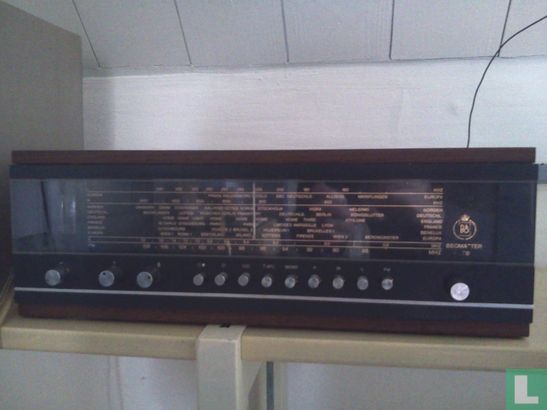
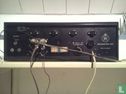
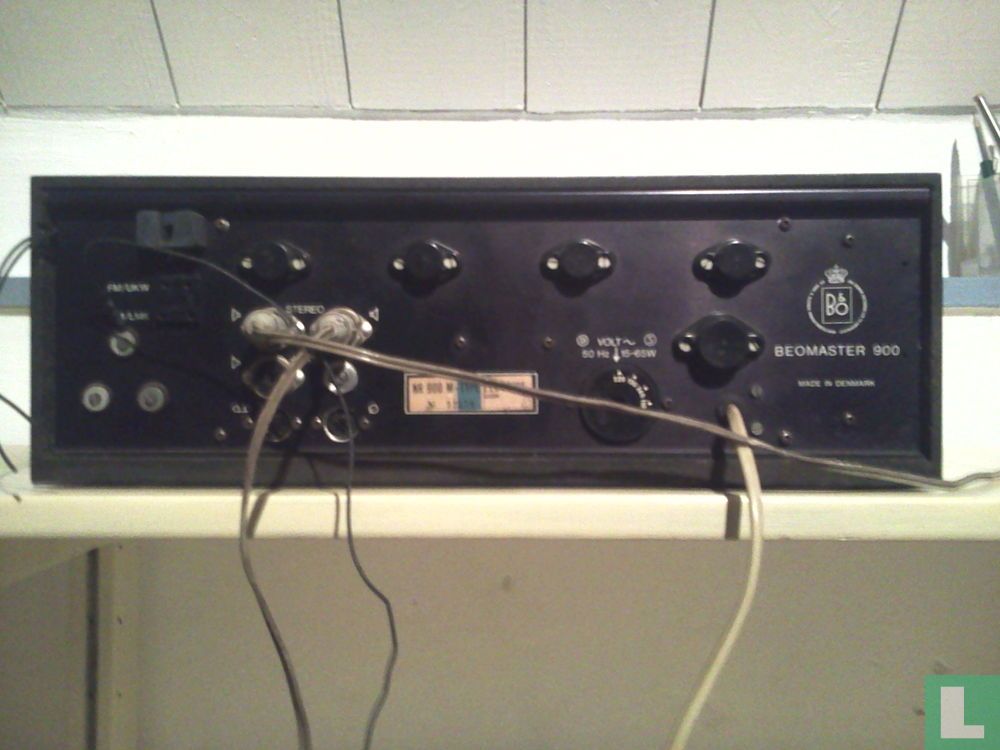
Beomaster 900M receiver



Catalogue information
LastDodo number
5774449
Area
Audiovisual equipment
Title
Beomaster 900M receiver
Manufacturer / brand
Collection
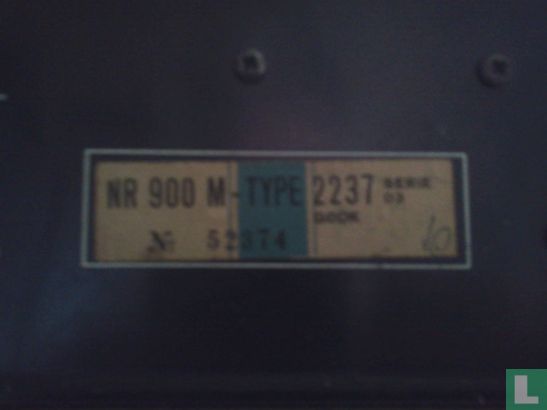
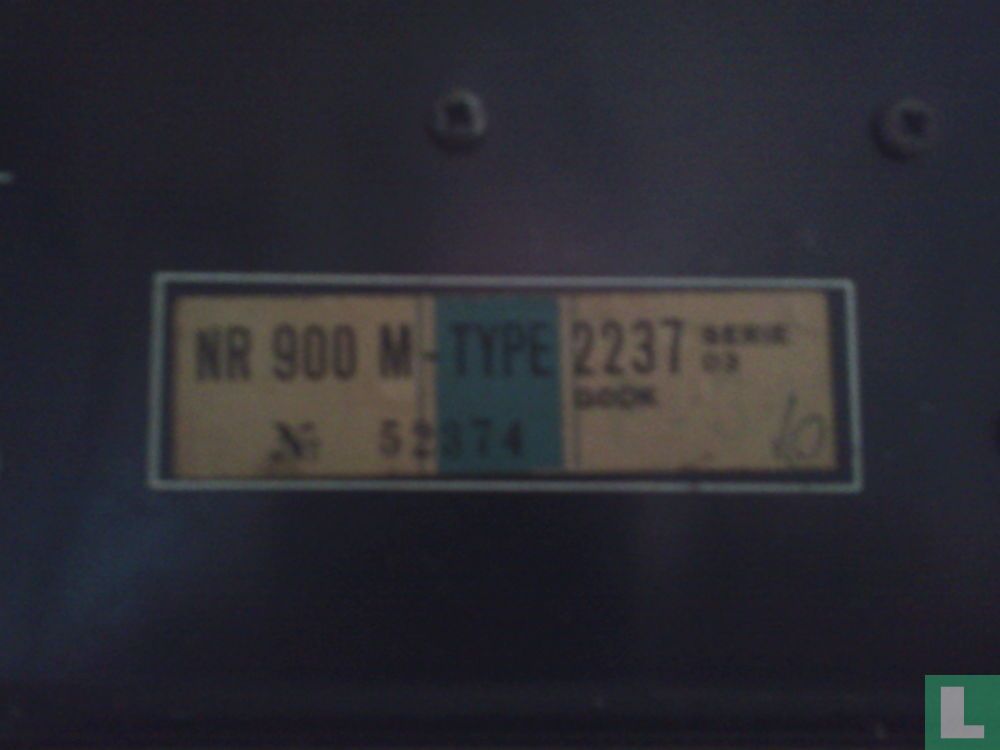
Type number
2237
Serial number
03
Type
First year of production
1964
Country
Tube (valve)
Dimensions
146 x 404 x 230mm
Details
Designed by Henning Moldenhawer a new style of product became available within Bang & Olufsen's catalogue in 1964, that of the transistorised radio.
Long and low, this table top model made the most of the newer transistors in place of the valves which had been in use up to that time. It gave designers such as Moldenhawer - and later Jacob Jensen - the opportunity of designing smaller, lighter, more modern-looking appliances that would integrate better into the lifestyle of the discerning public, a trademark which has remained with the company ever since. Not only that but, because these newer electrical products did not produce as much heat, vents and air inlets at the back, or underneath the appliances, were no longer needed. This meant that they were overall better-looking, more powerful in output and cheaper to produce.
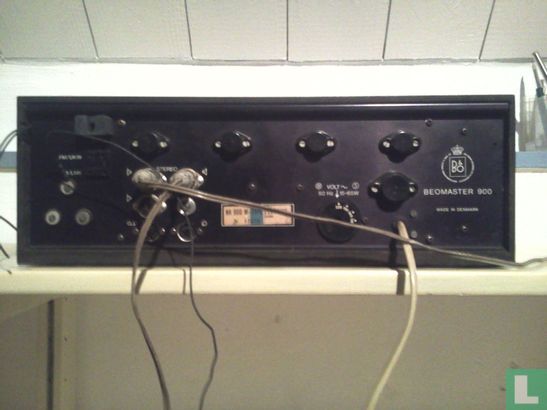
Although rated at a nominal 6W it was quite a powerful radio for its day and one which stood out from the crowd of other manufacturers, each producing something similar. A four-band radio tuner was including giving broad coverage of the FM (up to 108MHz) waveband. LW, MW and SW wavebands were also included, together with an option of an FM stereo decoder, quite novel for its day. There was also included a tuning meter and AFC for holding steady far-away transmissions. More than that, Beomaster 900 also its own had bass and treble controls, a loudness button together with connections for a turntable, tape recorder and extension speakers.
A runaway success, the Beomaster 900 was produced right up to the early part of the 1970s when other more portable radios - the Beolit range - took over. It was subsequently replaced by the Beomaster 1400K.
Beomaster 900M was exactly as Beomaster 900K but without internally-fitted pressure-chamber loudspeakers. The purchaser could use such loudspeakers as the Beovox 500, which, when used together with separate turntable and tape recorder, a nice little stereo system could be devised.